
 Available in GB
Loki Casino UK Player Safety & Offshore Licence Audit
- Loki Casino operates under a Curaçao Gaming Authority licence via the new LOK framework — a genuine improvement over the old sub-licence model, but still well below UKGC-level protections including GamStop integration, affordability checks and mandatory ADR.
- The welcome bonus reaches up to 255% across three deposits with 230 free spins, all subject to 40x wagering. At typical slot RTPs, the expected cost of clearing that wagering exceeds the bonus value — calculate before you commit.
- Crypto infrastructure is the platform's strongest differentiator: stablecoins now represent over 50% of crypto wagers industry-wide, and Loki Casino supports USDT alongside Bitcoin, Ethereum and Litecoin with network-fee-only costs.
- Withdrawal caps of $30,000 per month and a recurring pattern of forced-bonus complaints are the most significant friction points across player feedback data.
- The 5,000+ game catalogue from 70+ providers is competitive, but major progressive jackpot networks are absent and provider quality is uneven.
Loki Casino at a Glance: Operator, Platform and Market Position
A few years back, I sat across from a compliance officer at a European gambling conference who described Dama N.V. as "the most prolific operator you have never heard of." That stuck with me. Dama N.V. runs dozens of casino brands from its Curaçao base, and Loki Casino is one of the more visible among them — yet most players landing on the site have no idea they are engaging with a network operator rather than a standalone brand.
Operator
Dama N.V., registered in Curaçao
Licence
Curaçao Gaming Authority (CGA) — LOK framework
Year Launched
2019
Game Count
5,000+ titles
Crypto Support
Bitcoin, Ethereum, Litecoin, Tether, others
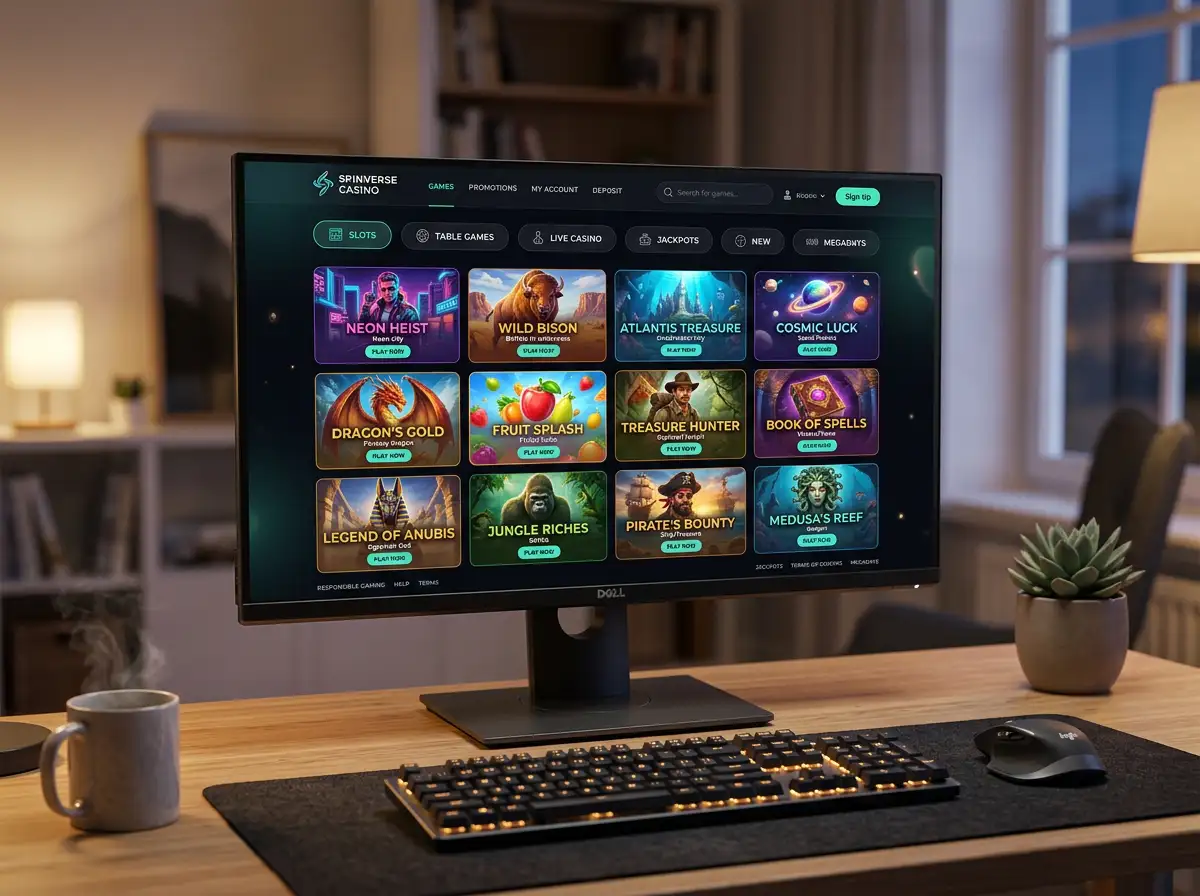
Loki Casino runs on the SoftSwiss platform, which is a detail that matters more than it might seem. SoftSwiss provides the technical backbone — the game aggregation layer, payment processing, bonus engine and player management system — for a significant portion of crypto-friendly casinos operating today. That shared infrastructure means players at Loki encounter a lobby structure, search filters and account management interface nearly identical to other Dama N.V. properties. The differentiation lies in branding, bonus offers and the specific provider agreements each skin negotiates.
The catalogue exceeds 5,000 games aggregated from over 70 software providers, a number I confirmed during a recent audit of the platform's lobby filters. That places Loki Casino firmly in the upper tier for catalogue size among Curaçao-licensed operators, though the sheer number can be misleading. A large catalogue means breadth, not necessarily depth — the presence of every niche studio does not guarantee that the highest-RTP titles from major providers like NetEnt or Play'n GO are available in every jurisdiction.
The UK regulated gambling market reached £16.8 billion GGY in FY2024/25, with online gambling accounting for 46% of that total. Loki Casino operates outside this regulated perimeter, meaning its UK players are not covered by UKGC consumer protections or the industry's self-exclusion framework, GamStop.

Market positioning is where Loki Casino stakes its ground deliberately. It targets players in jurisdictions where either no local licensing exists or where players actively seek alternatives to regulated platforms — often to access higher stake limits, crypto payment rails or bonus structures that UKGC-licensed operators cannot offer under current rules. The iGaming market is projected to serve 243.2 million users globally by 2028, and operators like Loki are betting that a meaningful slice of that growth will come from crypto-native players who prioritise speed and anonymity over traditional regulatory oversight.
That said, market position is not the same as market legitimacy. The fact that Loki Casino is accessible from the UK does not make it a regulated UK operator, and understanding that distinction is the foundation everything else in this review builds upon.
The operator and platform set the stage — but the licence is what determines the rules of the game.
Licensing and Regulatory Framework
If I had a pound for every time someone told me a Curaçao licence "means nothing," I would have enough to cover the platform's minimum deposit several times over. The reality is more nuanced. Curaçao licensing has historically been the most accessible regime in iGaming — low barriers to entry, minimal ongoing oversight, and a sub-licence system that let master licence holders spawn dozens of brands with little individual scrutiny. That system is undergoing its most significant reform in decades, and Loki Casino sits right in the middle of that transition.
LOK
Under the previous regime, Dama N.V. operated Loki Casino (and its other brands) under a sub-licence from a master licence holder. That arrangement created distance between the regulator and the individual casino brand — complaints, compliance checks and enforcement actions had to pass through the master licence holder first. The industry outgrew the model, and the regulatory vacuum it left behind became impossible to ignore. Ivan Montik, founder of SoftSwiss, put it directly: the industry has moved past its unregulated phase, but the challenge now is ensuring that the replacement framework is substantive rather than bureaucratic.
The distinction between a Curaçao licence and a UKGC licence is not academic — it determines your dispute resolution options, self-exclusion rights and the financial protections available if an operator becomes insolvent.
Curaçao LOK Reform and What It Means for Players
The CGA has processed approximately 140 direct licence applications since the LOK framework took effect, approving 87 of them — a rejection rate of around 38%. That number alone marks a shift. Under the old system, rejection was rare because sub-licensing delegated vetting to master licence holders who had financial incentives to approve. The new framework requires each operator to apply directly, submit to background checks, demonstrate adequate capitalisation, and pay annual fees of roughly €47,000 for a B2C licence or €24,000 for B2B.
Dama N.V. has transitioned to the direct CGA licensing model under the LOK framework. For players, this means the regulator now has a direct line to the operator — complaints and enforcement actions no longer route through a middleman.
What does this mean in practical terms for someone playing at Loki Casino? Three things have changed. First, the CGA now maintains a public registry of licensed operators, so you can verify Loki Casino's status directly rather than relying on a logo in the footer. Second, licence holders are subject to annual compliance reviews — not just a one-off application check. Third, the CGA has introduced player complaint procedures, though these remain far less robust than the UKGC's ADR (Alternative Dispute Resolution) requirements.
I want to be clear about the limits of this reform. The LOK framework is a significant improvement over what came before, but it does not bring Curaçao licensing to parity with tier-one jurisdictions. There is no mandatory contribution to a player protection fund, no requirement for real-time transaction monitoring to the standard UKGC demands, and no affordability checks. The 38% rejection rate suggests the CGA is exercising genuine discretion, but the framework is still in its early years, and its track record under pressure — a major operator insolvency, a large-scale fraud case — remains untested.
UK Regulatory Context: UKGC vs Offshore
The UKGC operates in a different universe of enforcement intensity. In FY2024/25 alone, the Commission issued 868 cease-and-desist notices (516 to unlicensed operators and 352 to advertisers), disrupted 264 sites and referred over 102,000 URLs to search engines for removal. That is not a regulator going through the motions — it is an active enforcement programme targeting exactly the kind of offshore operation that Loki Casino represents.
| Feature | UKGC Licence | Curaçao CGA Licence |
|---|---|---|
| Player Dispute Resolution | Mandatory ADR via approved bodies | CGA complaint form; limited follow-up |
| Self-Exclusion | GamStop integration required | No centralised scheme |
| Affordability Checks | Mandatory under 2023 guidelines | Not required |
| Stake Limits | £5 online slots cap (£2 for ages 18-24) | No stake limits |
| Segregation of Funds | Required | Not mandated |

The UK's online slots stake limit of £5 for adults and £2 for players aged 18 to 24, implemented in April and May 2025, is one of the specific regulations that drives some players toward offshore platforms. Andrew Rhodes, the outgoing UKGC CEO, acknowledged that crypto gambling regulation had moved from a distant concern to what he described as an 18-month-to-two-year challenge. That timeline suggests the regulatory gap between UKGC-licensed and Curaçao-licensed platforms will narrow, but it has not closed yet.
Welcome Bonus and Promotions Overview
Every offshore casino leads with its bonus, and Loki Casino is no exception. But here is something I have noticed across years of reviewing these structures: the headline number is almost never the number that matters. A "255% match" sounds enormous until you work through the wagering arithmetic. I am going to walk through the structure as it exists today, flag the mechanics that trip people up, and then step back so you can judge the economics for yourself.
Loki Casino's welcome offer is split across three deposits. The first deposit receives a 100% match plus a batch of free spins, the second and third deposits carry higher percentage matches — the combined headline figure reaching up to 255% with 230 free spins distributed across the three stages. Each deposit stage has its own minimum deposit threshold, maximum bonus cap and spin allocation. The full breakdown, including the game-weight tables and maximum bet rules that apply during wagering, is territory I cover in the dedicated bonus analysis.
The wagering requirement across all three stages is 40x the bonus amount. That is a standard figure for Curaçao-licensed operators — neither punitive nor generous. To put it in concrete terms: a €100 bonus generates €4,000 in required wagering before any withdrawal is possible. Slot contributions typically count at 100%, table games at 5-10%, and live dealer games are excluded entirely in most cases. The time limit for clearing wagering is usually seven days from the bonus activation, which creates real pressure on players who do not play daily.
A 40x wagering requirement on a €100 bonus means a player must wager €4,000 in total. At a typical slot RTP of 96%, the expected loss during that wagering cycle is roughly €160 — more than the bonus itself.

Beyond the welcome package, Loki Casino runs reload bonuses (typically 50% match offers on subsequent deposits), cashback programmes and periodic free spin promotions tied to specific game launches or provider campaigns. The reload structure rotates, so the specific percentages shift, but the wagering requirement generally stays at the same 40x level.
Do
- Calculate the full wagering cost before accepting any bonus — multiply the bonus amount by the requirement to see the real playthrough figure
- Check game contribution weights — some slots contribute less than 100%, and table games rarely count at full value
- Read the maximum bet restriction during wagering — exceeding it can void the bonus and any accumulated winnings
Don't
- Assume the headline match percentage reflects actual value — the wagering cost often exceeds the bonus amount at typical RTPs
- Activate a bonus without checking whether it is automatically applied — some Dama N.V. platforms add bonuses to deposits by default unless the player opts out
- Chase wagering completion with increased bet sizes — the maximum bet rule is actively enforced
One pattern I have documented across multiple Dama N.V. brands, including Loki Casino, is the "forced bonus" complaint. Players report that bonus funds were applied to their deposit without explicit opt-in, locking the entire balance behind wagering requirements. Whether this is a terms-of-service issue or a UI design problem depends on who you ask, but the complaint recurs frequently enough that it deserves mention here. I will return to this in the player complaints section.
Bonuses bring players in — but the game catalogue determines whether they stay.
Game Catalogue and Software Providers
The first thing I do when evaluating a casino's game catalogue is ignore the total count and go straight to the provider list. Why? Because 5,000 games from 70 studios can mean very different things depending on which studios are actually present. A platform stacked with obscure, low-RTP providers is a fundamentally different product from one that carries NetEnt, Pragmatic Play, Evolution and Play'n GO alongside the smaller studios. Loki Casino falls somewhere in between, and that positioning is worth understanding in detail.
Slots
The largest category by volume — video slots, classic reels, Megaways mechanics, bonus buy options and Drops and Wins tournament-eligible titles. Providers include Pragmatic Play, BGaming, Endorphina, Yggdrasil and several dozen mid-tier studios.
Table Games
Blackjack, roulette (European, American, French), baccarat and poker variants. Available in both RNG and live dealer formats. RNG tables are drawn primarily from Betsoft, BGaming and 1x2 Gaming.
Live Casino
Powered primarily by Evolution, Ezugi and Pragmatic Play Live. Includes standard tables plus game-show formats. Accessible around the clock with varying stake ranges.
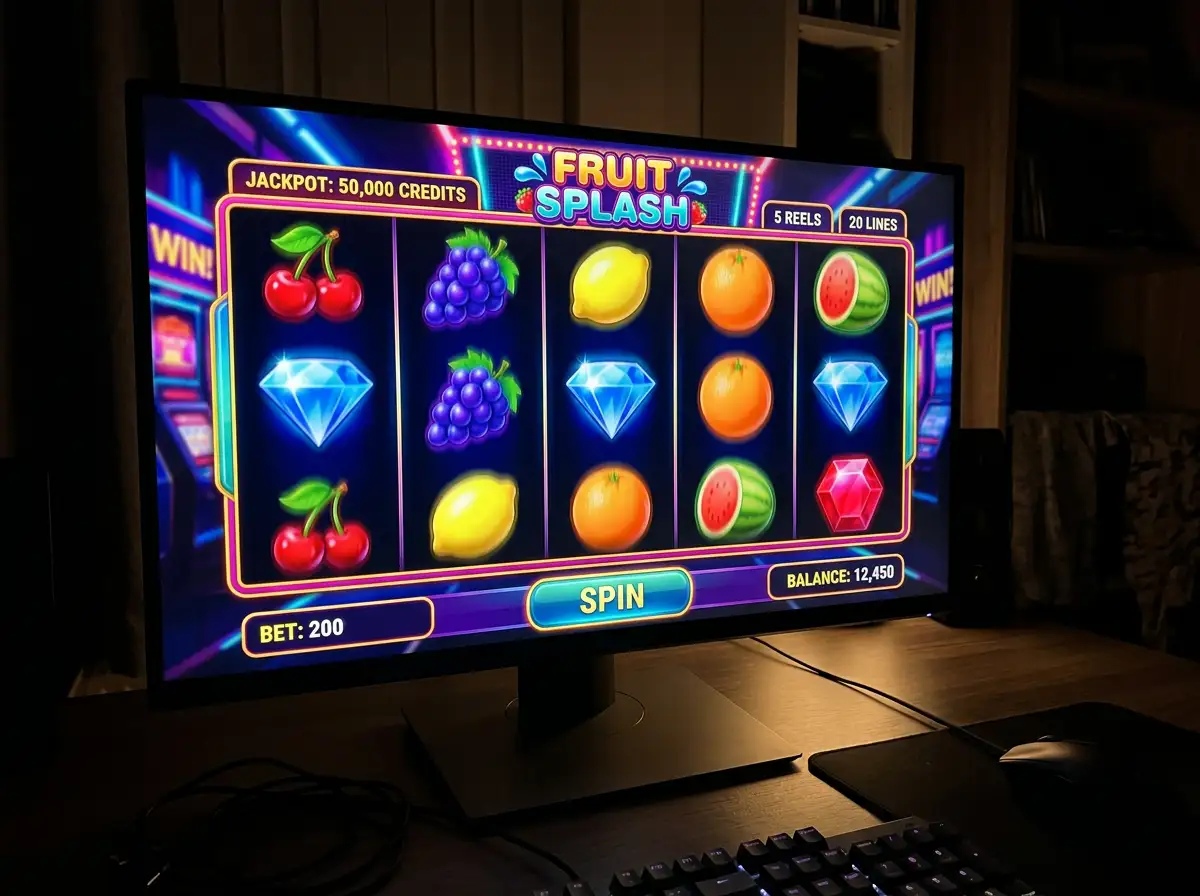
The RTP landscape across crypto-friendly casinos using the SoftSwiss platform tends to cluster between 95.6% and 98.2% for slots, with provably fair house games like crash, dice and plinko advertising RTPs above 99%. Those headline numbers are accurate at a mathematical level but require context. RTP is calculated over millions of spins — short-term sessions can deviate wildly from the theoretical figure. A slot with 96.5% RTP can easily produce a session where the player loses 30% of their balance, and another where they double it. The number tells you about long-run house edge, not what will happen in your next hour of play.
What I find notable about Loki Casino's catalogue is less what it includes and more what it lacks. Major jackpot networks like Mega Moolah and Hall of Gods are absent — a pattern common across Dama N.V. properties, likely reflecting licensing or commercial agreements with Microgaming and NetEnt that exclude certain Curaçao-licensed platforms. For players whose primary interest is progressive jackpots, that is a meaningful gap. For a broader exploration of how the game library is structured and how to navigate it effectively, I have put together a detailed game catalogue breakdown.
Provider quality is uneven, and that is not unique to Loki Casino. The SoftSwiss aggregator connects to a wide range of studios, from established names with audited RNG certifications (Pragmatic Play, Yggdrasil) to smaller operators whose testing and certification standards are less transparent. My approach is straightforward: stick to games from providers whose RNG testing is independently verified by agencies like eCOGRA, iTech Labs or GLI, and treat unfamiliar studio names with healthy scepticism until you can confirm their certification status.
Cryptocurrency and Payment Methods
Three years ago, crypto at an online casino meant Bitcoin and maybe Litecoin, bolted onto a conventional payment stack as a novelty. That era is over. Crypto casinos generated $81.4 billion in gross gaming revenue in 2024 alone — a fivefold jump from $16.3 billion just two years prior. Loki Casino has positioned itself squarely in this current, accepting a range of cryptocurrencies alongside traditional payment methods, and the way it has done so reveals both opportunities and risks for UK-based players.
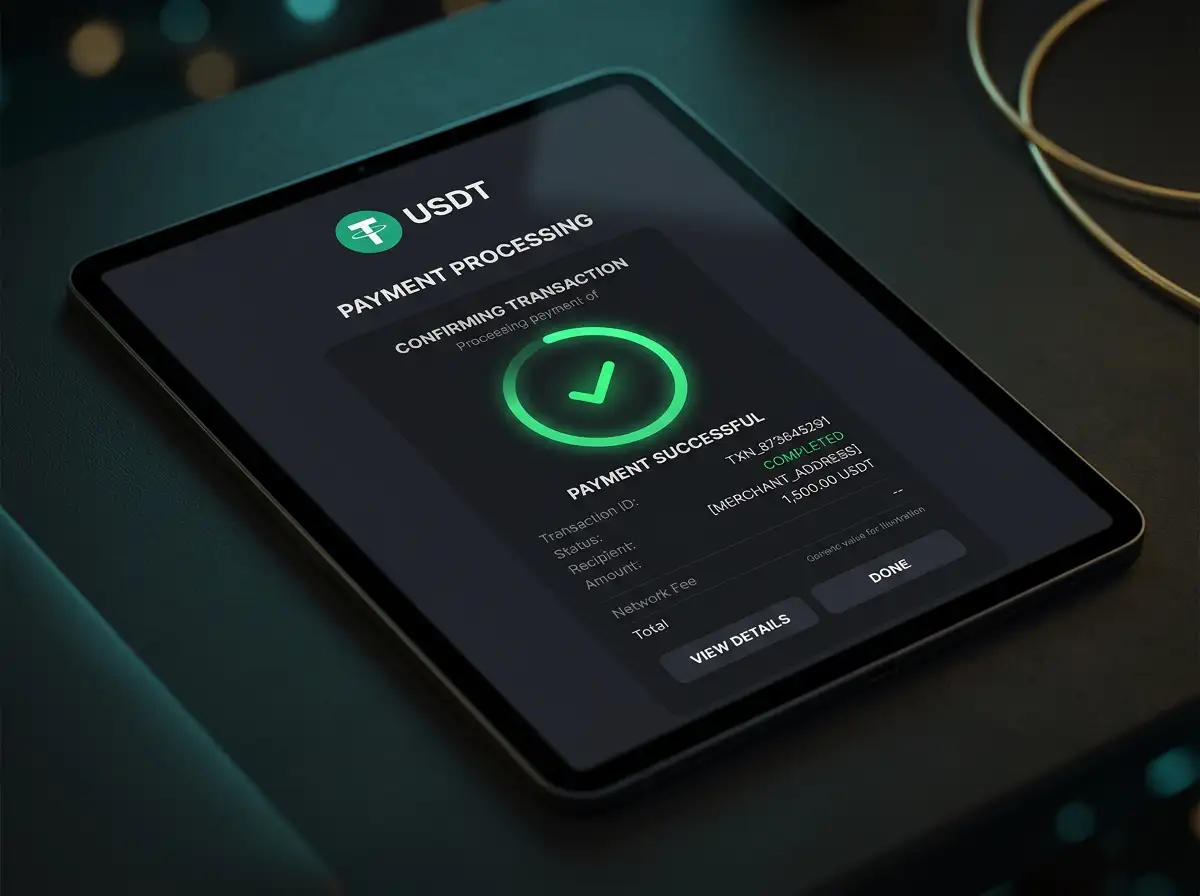
The platform supports Bitcoin, Ethereum, Litecoin, Tether (USDT) and several additional altcoins for both deposits and withdrawals. Bitcoin still dominates crypto gambling volume at roughly 66% of all transactions, with Ethereum at 9% and Litecoin at 6%. But the real shift I have been tracking is the rise of stablecoins — USDT and USDC crossed 50% of all crypto-denominated wagers on licensed platforms as of April 2026. Stablecoins eliminate the volatility problem that made Bitcoin deposits a gamble before the first spin: a player depositing 0.01 BTC could find their balance worth 15% less by the time they tried to withdraw, purely from price movement. Stablecoins peg to fiat, removing that variable entirely.
Stablecoins now account for more than half of all crypto wagers on licensed gambling platforms — a shift that happened in under two years. Tether (USDT) leads, followed by USD Coin (USDC).
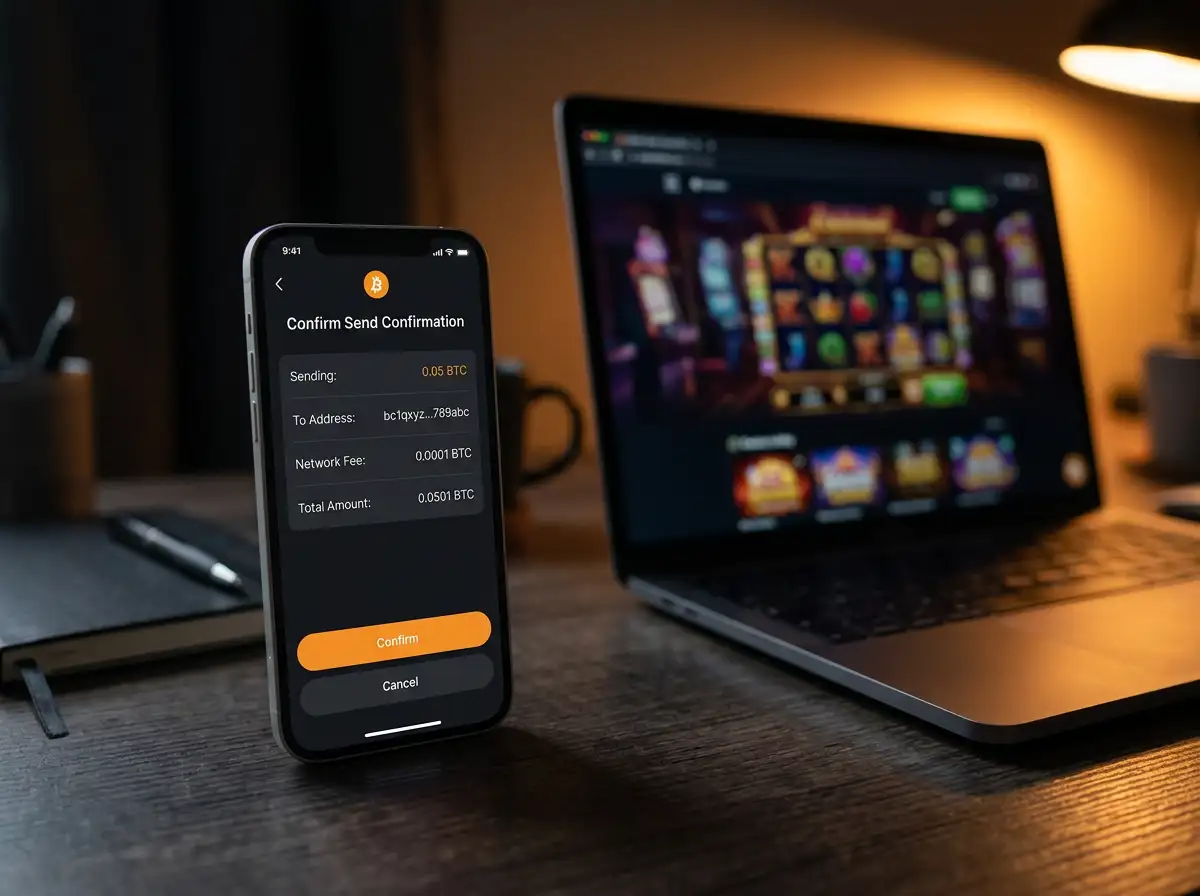
Vitali Matsukevich, COO of SoftSwiss, has noted that integrating crypto payments allows iGaming platforms to operate across borders with greater speed and convenience, expanding access for an international audience. That is accurate, but it tells only half the story. The other half is what crypto payments remove: chargeback protections, bank-level fraud monitoring and the regulatory paper trail that UKGC-licensed operators are required to maintain. When you deposit in crypto at Loki Casino, you gain speed and lower fees; you lose the recourse mechanisms that come with traditional payment rails.
| Payment Method | Deposit Speed | Withdrawal Speed | Fees |
|---|---|---|---|
| Bitcoin / Litecoin / Ethereum | 10-40 minutes (network dependent) | 1-24 hours after approval | Network fee only |
| Tether (USDT) / Stablecoins | 5-30 minutes | 1-24 hours after approval | Network fee only |
| Credit / Debit Card | Instant | 1-5 business days | May apply |
| E-wallet (ecoPayz, MiFinity) | Instant | 1-3 business days | Varies by provider |
| Bank Transfer | 1-3 business days | 3-7 business days | May apply |
For UK players specifically, there is an additional consideration. UKGC-licensed operators are prohibited from accepting credit card gambling deposits — a rule introduced in 2020 to combat problem gambling. Offshore operators including Loki Casino are not bound by that restriction. Whether that freedom is a benefit or a risk depends entirely on the player, and I do not think it is my place to decide that for you. What I will say is that the absence of that safeguard is a data point worth weighing.
The crypto payment infrastructure at Loki Casino processes through SoftSwiss's payment gateway, which aggregates multiple crypto processors. For a deeper examination of supported currencies, minimum transaction thresholds and the practical mechanics of depositing and withdrawing crypto at this specific platform, the full analysis is in the crypto payments guide.
Withdrawals, Limits and Processing Times
I have a rule when reviewing offshore casinos: the withdrawal process tells you more about an operator's real priorities than any other feature. A generous bonus means nothing if cashing out is slow, capped or obstructed by opaque verification requests. Loki Casino's withdrawal framework sits within the typical parameters for Dama N.V. properties — not best-in-class, not worst-in-class, but with specific friction points that UK players should understand before depositing.
The published withdrawal limits at Loki Casino are $5,000 per day, $10,000 per week and $30,000 per month. The minimum withdrawal is $25. These caps apply to standard accounts — VIP players may negotiate higher limits, though the specifics of those negotiations are not published in the terms and conditions. For context, UKGC-licensed operators are generally expected to process withdrawals without arbitrary caps, and the concept of a monthly withdrawal ceiling is unusual in the regulated UK market.
A $30,000 monthly withdrawal cap means that a player who wins $100,000 would need over three months to fully withdraw their winnings — assuming no delays, no additional verification requests and no changes to the limit during that period.
Processing times vary by method. Crypto withdrawals are the fastest, typically clearing within 1 to 24 hours after the internal approval period. E-wallet withdrawals follow at 1 to 3 business days, while card and bank transfers can take 3 to 7 business days. The critical variable in all of these is the "internal approval" phase, which is the time Loki Casino takes to review and release the withdrawal before it enters the payment processor's pipeline. That phase is where most player complaints originate — not the external processing time, but the internal hold.
KYC (Know Your Customer) verification is triggered either at first withdrawal or when cumulative transactions cross a threshold. The documents typically required include government-issued photo ID, proof of address and proof of payment method. Players who deposit via crypto may still be asked to verify their identity, particularly for larger withdrawals. The verification process can add 24 to 72 hours to the first withdrawal, and in some cases longer if documents are rejected or additional evidence is requested. I cover the full KYC process, common rejection reasons and escalation options in the withdrawal guide.
One practice I flag consistently across Dama N.V. platforms: the "reverse withdrawal" window. Some Dama N.V. casinos allow players to cancel a pending withdrawal and return the funds to their playable balance. This feature, while technically a player convenience, is widely criticised by responsible gambling advocates because it enables impulsive decisions during the waiting period. Whether Loki Casino currently offers this feature varies by account status and withdrawal method.
Mobile Compatibility and Performance
I tested Loki Casino on three devices last month — an iPhone 15, a Samsung Galaxy S24 and an older Pixel 6a — and the results were consistent enough to draw conclusions. The platform does not offer a native app for iOS or Android. Instead, it operates as a mobile-responsive website accessed through the device's browser, typically Chrome or Safari. That is the standard approach for Curaçao-licensed casinos, and there are practical reasons for it: Apple and Google's app store policies make it difficult for unlicensed gambling operators to distribute native apps through official channels.
Approximately 80% of online gamblers now use smartphones for betting, and mobile platforms command 53.65% of the online gambling market with a projected growth rate of 13.65% through 2031. Loki Casino's mobile experience needs to work well not because it is a nice-to-have feature but because the majority of its player base is almost certainly accessing the platform from a phone.
Mobile and tablet devices now account for over 53% of the entire online gambling market — making mobile experience a business-critical factor, not a secondary feature.
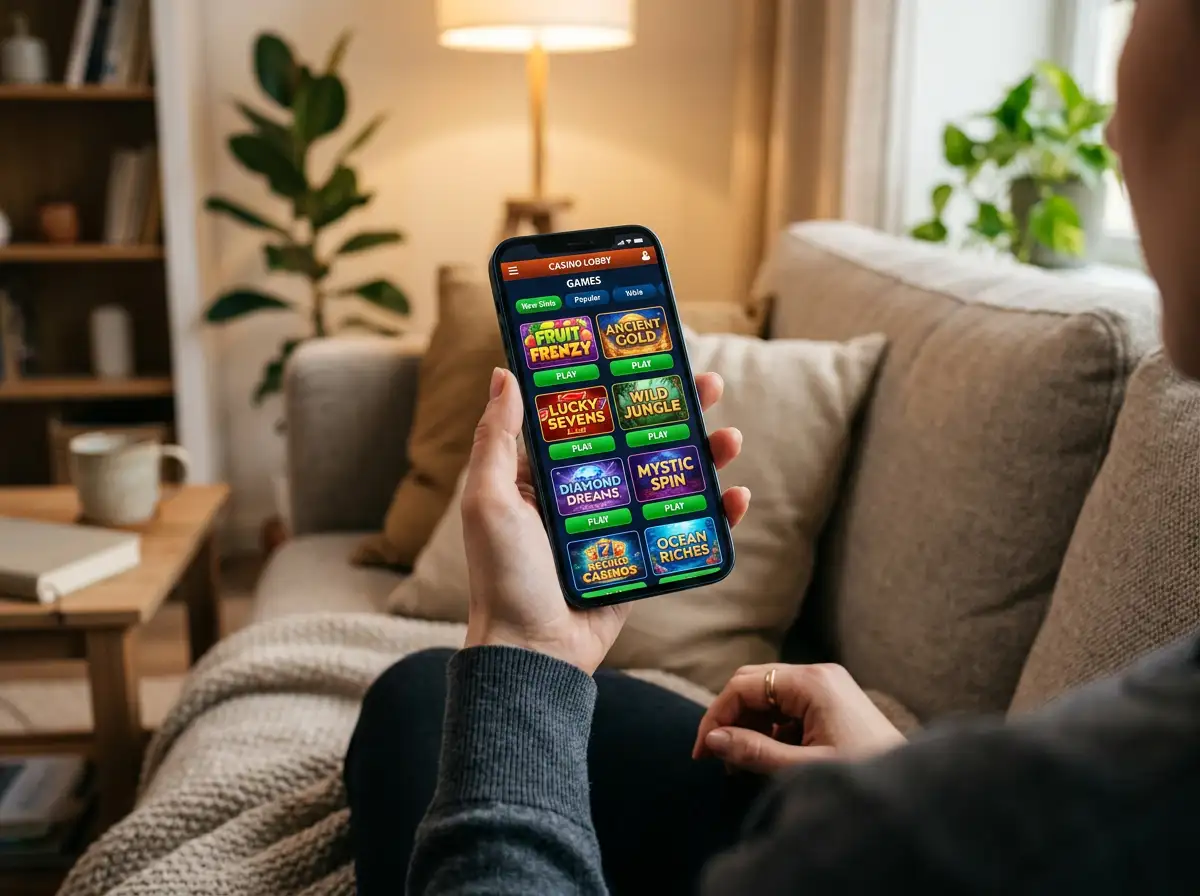
Performance-wise, the browser-based lobby loads in 3 to 5 seconds on a stable 4G connection, which is acceptable if not exceptional. Game loading depends on the individual provider's HTML5 implementation — Pragmatic Play and Evolution titles load quickly, while some smaller studio games take noticeably longer. The lobby search and filter functions work on mobile, though the smaller screen makes navigating a 5,000+ game catalogue somewhat cumbersome. I found the category filters (slots, table games, live casino, bonus buy) functional, but the lack of a "recently played" or "favourites" feature on mobile — standard in most UKGC-licensed casino apps — is a noticeable gap.
Touch controls during gameplay are responsive for slots and straightforward table games. Live dealer interfaces, which rely on real-time video streaming, require a stable connection; on mobile data with intermittent signal, I experienced occasional lag and dropped frames during live blackjack. That is a network issue rather than a platform issue, but it is worth noting for players who intend to play live games exclusively on mobile. Overall, the mobile experience is functional and covers the basics, but it does not match the polish of dedicated apps from major UKGC-licensed operators like bet365 or Sky Vegas.
Safety, Fairness and Responsible Gambling
This section is the one I always write last and rewrite first, because it is where the real stakes sit. Not the stakes on a roulette table — the stakes of whether a platform takes player welfare seriously or treats it as a compliance checkbox. Globally, 1.2% of adults have a gambling disorder, and problem gamblers account for 60% of total gambling losses. Those numbers frame everything that follows.
Playing at any online casino carries inherent risk. Offshore platforms operate with fewer mandatory safeguards than UKGC-licensed operators. If you are concerned about your gambling behaviour, organisations like GamCare (0808 8020 133) and BeGambleAware provide free, confidential support.
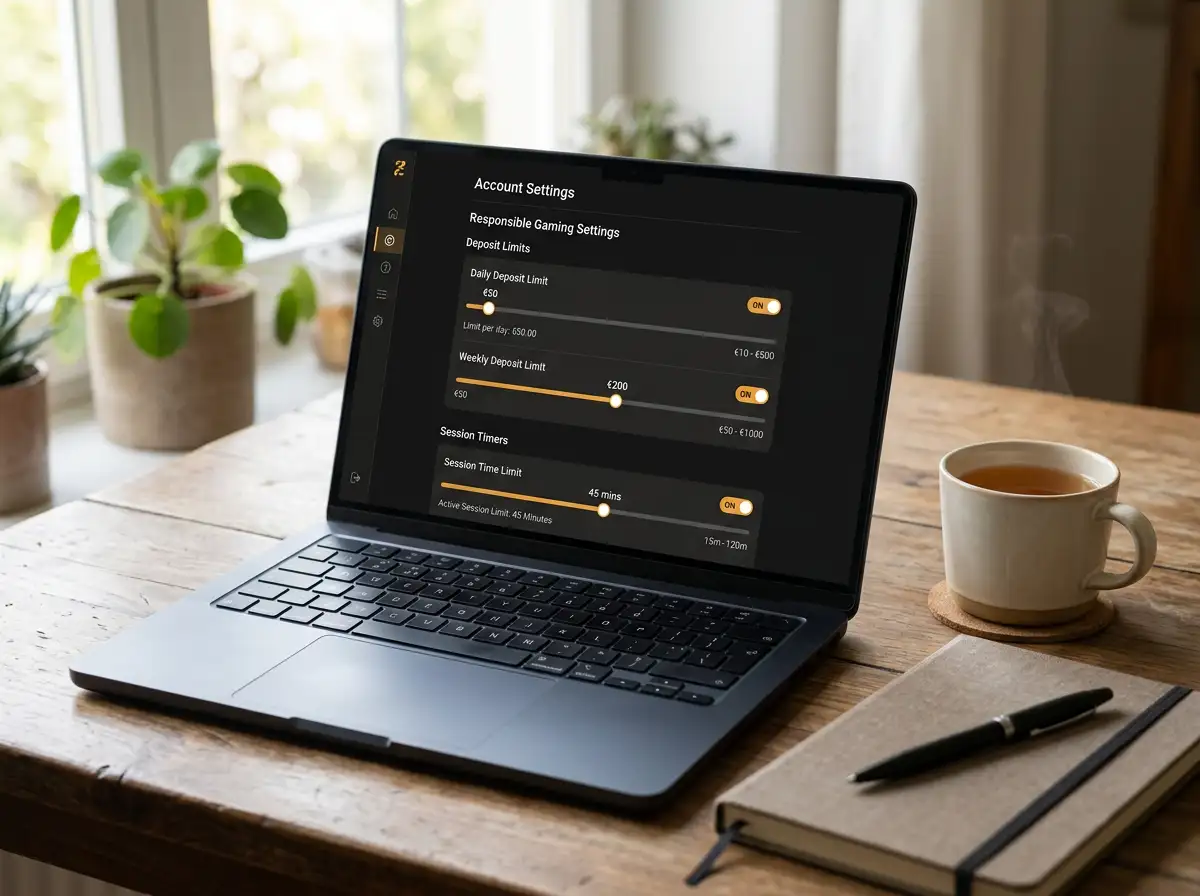
Loki Casino's responsible gambling toolset includes deposit limits (daily, weekly, monthly), session time limits, cooling-off periods and self-exclusion options. These are platform-level features built into the SoftSwiss infrastructure, and they function as advertised — you can set a daily deposit cap of, say, €50, and the system will block deposits beyond that threshold until the period resets. What the platform cannot do is what UKGC-licensed operators are required to do: integrate with GamStop's centralised self-exclusion database, conduct affordability assessments on players showing signs of harm, or intervene proactively when spending patterns suggest problematic behaviour.
The gap matters. 81% of problem gamblers worldwide engage in online or app-based gambling. An offshore casino that offers voluntary self-exclusion but does not participate in any cross-operator scheme means that a player who self-excludes at Loki Casino can immediately register at another Dama N.V. property and continue playing. GamStop, for all its criticisms, eliminates that possibility across the entire UKGC-licensed market.
Emilia Kurzynska, Deputy Team Lead Anti-Fraud at SoftSwiss, has argued that AI is transforming responsible gambling from a compliance checkbox into a strategic business function. Whether that transformation reaches individual operators like Loki Casino, and in what form, remains to be seen.
On the fairness side, Loki Casino's games rely on Random Number Generator (RNG) technology certified by the individual software providers. Major studios like Pragmatic Play and Evolution carry independent RNG certification from testing houses such as iTech Labs and BMM Testlabs. Smaller providers may have less transparent certification, and the platform itself does not publish aggregate RTP audits or payout reports — a practice that UKGC-licensed operators are required to facilitate. Provably fair technology, which uses cryptographic algorithms to let players verify individual game outcomes independently, is available on some house games (crash, dice, plinko) but not on third-party slots or table games.
Data security follows industry-standard practices: SSL encryption for data in transit, with the platform's privacy policy outlining data handling procedures. However, the CGA's data protection framework does not align with GDPR enforcement, which means UK players' data is not covered by the same protections they would have at a UKGC-licensed site. If a breach occurs, the recourse available is through Curaçao's regulatory framework, not the UK Information Commissioner's Office.
Player Complaints and Dispute Patterns
Numbers tell one story; complaints tell another. I have reviewed complaint data across multiple aggregator sites and player forums, and the patterns at Loki Casino align closely with those I see across the broader Dama N.V. network. That consistency is itself revealing — it suggests that many complaint triggers are systemic (platform-level or operator-level) rather than brand-specific.
The most frequent complaint categories I have documented are delayed withdrawals, bonus-related disputes and account verification issues. Delayed withdrawals dominate the volume: players report approval times stretching beyond the stated processing window, particularly for larger withdrawal amounts or first-time cashouts. Bonus disputes centre on the "forced bonus" issue I mentioned earlier — players who claim a bonus was applied to their deposit without explicit consent, locking their balance behind wagering requirements they did not intend to accept.
Unregulated gambling generates an estimated $53.9 billion in annual revenue in the US alone — a 22% increase since 2022. The absence of standardised complaint resolution across offshore operators contributes directly to this regulatory concern.
Account verification complaints form the third major category. These typically involve players being asked for additional documents after requesting a withdrawal — sometimes documents that go beyond standard KYC, such as source-of-funds declarations or selfies with identity documents. While these requests are legitimate anti-money-laundering measures, the timing (immediately after a large win) and the communication around them (automated emails with short deadlines) generate friction and suspicion.
What distinguishes a fair operator from a problematic one is not the absence of complaints — every casino receives complaints — but how they are resolved. Loki Casino's terms and conditions direct disputes to the CGA, and the platform has a customer support team accessible via live chat and email. Response times for live chat are generally within minutes; email responses typically arrive within 24 hours. Resolution, however, is a different metric from response, and the CGA's complaint mechanism lacks the binding enforcement power that UKGC ADR providers carry.
I want to put this in proportion. The complaint volume at Loki Casino, relative to its estimated player base, is not unusually high compared to peer operators in the Dama N.V. network. The issues are real and recurring, but they are not outliers. Whether that is reassuring or concerning depends on your baseline expectations — if your benchmark is a UKGC-licensed operator with an ADR scheme and regulatory oversight, the gap is substantial. If your benchmark is the broader Curaçao-licensed market, Loki Casino sits near the median.
Where Loki Casino Fits — and Where It Doesn't
After nine years of reviewing offshore platforms, I have learned to resist neat conclusions. Loki Casino is neither the scam that its harshest critics claim nor the hidden gem that its marketing implies. It is a mid-tier Curaçao-licensed casino with a solid game catalogue, functional crypto infrastructure and a regulatory framework that is improving but still falls well short of UKGC standards. That positioning creates a specific profile of player for whom the platform makes sense — and a specific profile for whom it does not.
The platform has genuine strengths. The game catalogue is deep enough to compete with any Curaçao-licensed operator, and the provider mix includes established studios with independently audited RNG systems. Crypto payment integration is well-implemented, particularly for stablecoin users who want to avoid the volatility of Bitcoin deposits. The LOK reform has given the CGA direct oversight of operators like Dama N.V., which is a measurable improvement over the old sub-licence model. And the absence of UK stake limits means players have access to bet sizes and game mechanics that are restricted under UKGC rules.
The weaknesses are equally tangible. No UKGC licence means no GamStop integration, no mandatory affordability checks, no ADR for dispute resolution and no segregated player funds. Withdrawal caps of $30,000 per month are restrictive for high-stakes players. The forced bonus complaints are a recurring issue that the operator has not resolved despite years of player feedback. And the platform's responsible gambling tools, while present, are voluntary and self-directed — there is no algorithmic intervention when spending patterns suggest harm.
Loki Casino serves a specific niche: crypto-comfortable players who understand the trade-offs of playing outside UKGC regulation. It is not suitable for players who rely on institutional safeguards, who need access to GamStop, or who expect the dispute resolution infrastructure that UKGC licensing provides. The licensing analysis covers the regulatory implications in full detail.
My professional assessment is grounded in data, not sentiment. The platform operates legally under its Curaçao licence, the LOK reform has added genuine oversight, and the game catalogue and payment infrastructure are technically competent. But "legal" and "ideal" are not synonyms. Every UK player using Loki Casino is making an active decision to trade regulatory protection for access, speed and flexibility. That trade-off is yours to make, but it should be an informed one — and that is what this review is designed to ensure.
Frequently Asked Questions
Is Loki Casino legal and safe for UK players?
Loki Casino operates under a Curaçao Gaming Authority licence, which means it is legal in its jurisdiction of registration. However, it carries no UK Gambling Commission authorisation. UK law does not criminalise individual players for using offshore casinos, but the platform is not subject to UKGC consumer protections — including mandatory dispute resolution, GamStop self-exclusion and segregated player funds. Safety depends on your definition: the platform uses SSL encryption and licensed game providers, but it lacks the regulatory infrastructure that UKGC-licensed operators are required to maintain.
What licence does Loki Casino hold and what does it guarantee?
Loki Casino holds a licence from the Curaçao Gaming Authority under the new LOK framework. This licence requires the operator to undergo background checks, maintain adequate capitalisation and submit to annual compliance reviews. It does not guarantee the same player protections as a UKGC, MGA or Gibraltar licence. The CGA has a complaint mechanism, but it lacks the binding enforcement power of tier-one regulatory bodies. The licence confirms that the operator has met Curaçao's requirements — it does not equate to UKGC-level oversight.
What bonuses are available for new players at Loki Casino?
The welcome package spans three deposits, offering a combined match of up to 255% plus 230 free spins. Each deposit stage has its own match percentage, bonus cap and minimum deposit threshold. All bonus funds carry a 40x wagering requirement applied to the bonus amount. Free spins are allocated in batches across the three deposits and are typically tied to specific slot titles. Reload bonuses and cashback offers are available beyond the welcome package, generally at the same 40x wagering level.
How fast are withdrawals processed at Loki Casino?
Processing times depend on the payment method. Crypto withdrawals typically clear within 1 to 24 hours after internal approval. E-wallet withdrawals take 1 to 3 business days, and card or bank transfers can take 3 to 7 business days. The internal approval phase — during which Loki Casino reviews and authorises the withdrawal — is the primary variable. First-time withdrawals may require KYC verification, which can add 24 to 72 hours. Daily withdrawal limits are capped at $5,000, with a monthly maximum of $30,000.
Does Loki Casino support cryptocurrency payments?
Loki Casino accepts Bitcoin, Ethereum, Litecoin, Tether (USDT) and additional altcoins for deposits and withdrawals. Crypto transactions carry network fees only, with no platform-imposed charges. Stablecoin deposits (USDT, USDC) avoid the price volatility associated with Bitcoin. The platform processes crypto payments through the SoftSwiss payment gateway. Minimum deposit and withdrawal thresholds apply, and KYC verification may still be required for crypto users at certain transaction thresholds.
What are the wagering requirements at Loki Casino?
The standard wagering requirement across welcome bonuses, reload offers and free spin winnings is 40x the bonus amount. Slots typically contribute 100% toward wagering, table games contribute 5-10%, and live dealer games are generally excluded. A seven-day time limit applies from the moment of bonus activation. Players must also observe maximum bet restrictions during active wagering — exceeding the stated limit can result in forfeiture of the bonus and any associated winnings.
Is Loki Casino available on mobile devices?
Loki Casino is accessible on mobile devices through a browser-based responsive website. There is no native iOS or Android app. The mobile site supports the full game catalogue, account management, deposits and withdrawals. Performance depends on device capability and connection stability — live dealer games require a reliable connection for smooth video streaming. The lobby search and filter functions are operational on mobile, though navigating a catalogue of 5,000+ games on a smaller screen is less intuitive than on desktop.