
 Available in GB
Content
- Loki Casino UK Supported Cryptocurrencies & Transaction Times
- Crypto Deposit and Withdrawal Flow at Loki Casino
- Stablecoin Adoption in iGaming: Context for Loki's Options
- Transaction Fees and Speed: Crypto vs Fiat at Loki Casino
- Crypto Bonuses: Key Differences
- Regulatory Risks: MiCA, CGA and the Future of Crypto Casinos
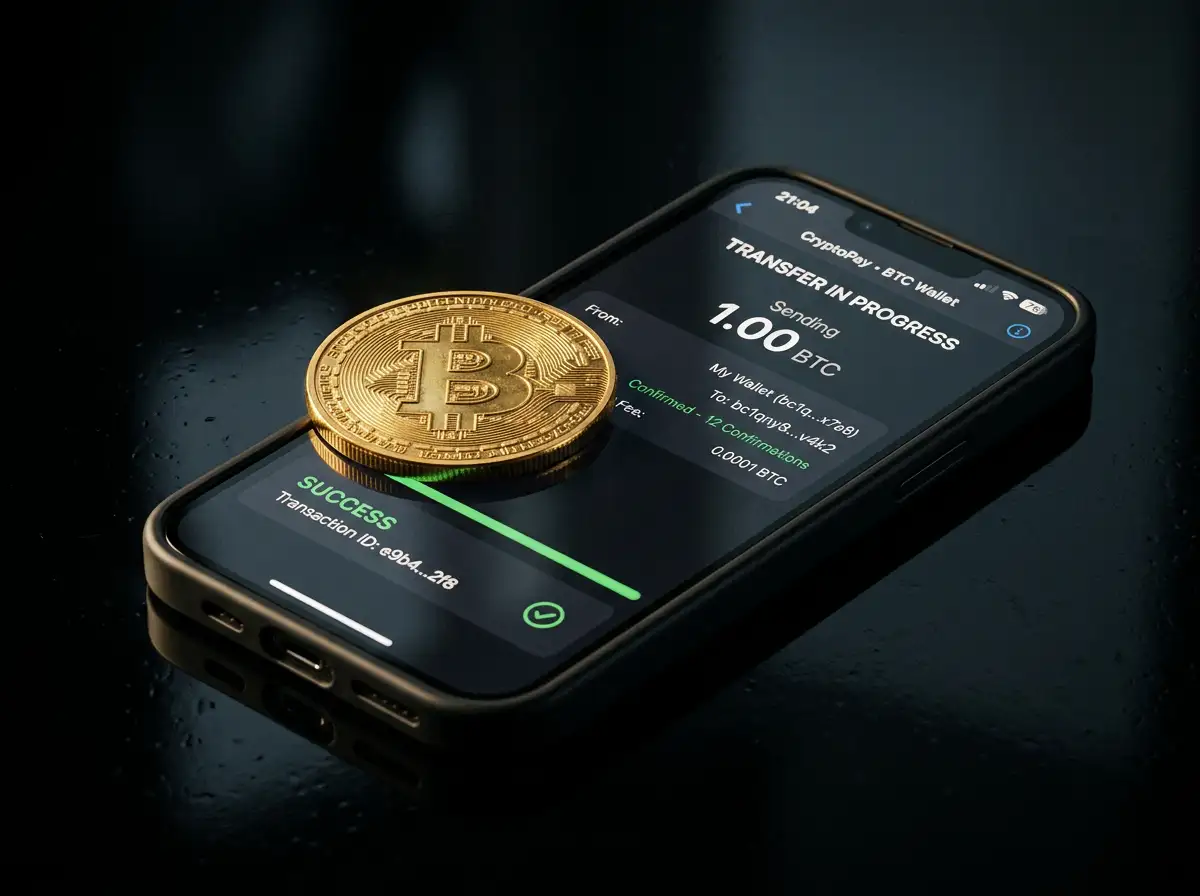
Crypto casinos generated 81.4 billion dollars in gross gaming revenue in 2024 — a fivefold increase from 16.3 billion dollars just two years earlier. Those numbers reshaped every assumption I held about how players move money through offshore platforms. When I started evaluating iGaming payment systems back in 2017, cryptocurrency was an afterthought, a novelty tucked into the bottom of the banking page. Now it is the headline feature at operators like Loki Casino, and for many UK players accessing Curaçao-licensed platforms, it is the most practical payment method available.
This guide covers the specifics of using cryptocurrency at Loki Casino: which coins are supported, how deposits and withdrawals actually flow through the system, where stablecoins fit into the picture, how fees and speed compare to fiat alternatives, and the regulatory risks that could change all of this within the next two years. For a broader look at all available deposit and withdrawal methods — including cards, e-wallets and bank transfers — I have written a separate payment methods overview. Here, the focus is strictly on crypto mechanics.
Loki Casino UK Supported Cryptocurrencies & Transaction Times
I tested my first Bitcoin deposit at an offshore casino in 2018, and the experience was painful — one supported coin, no confirmation tracking, a three-hour wait before the balance appeared. The landscape at Loki Casino in 2026 is a different world. The platform supports multiple cryptocurrencies, and the integration is handled through the SoftSwiss crypto processing module, which manages wallet generation, confirmation tracking, and automatic currency conversion.
Bitcoin dominates at approximately 66% of all crypto gambling volume, with Ethereum at 9% and Litecoin at 6%. Those market shares are reflected in the support hierarchy at Loki Casino: Bitcoin and Ethereum are primary options, with Litecoin, Bitcoin Cash, Dogecoin, and Tether (USDT) available as alternatives. The specific list can shift as the platform adds or removes coins, but the core set has been stable throughout my monitoring period.
Each cryptocurrency requires a different number of network confirmations before the deposit is credited to your casino account. Bitcoin typically requires one to three confirmations, which translates to roughly 10 to 30 minutes depending on block times and network congestion. Ethereum confirmations are faster — usually under five minutes for the required number of confirmations. Litecoin, with its shorter block interval, often confirms in two to three minutes. Tether on the TRC-20 network (Tron-based) settles in under a minute in most cases, making it one of the fastest options for getting funds into your account.
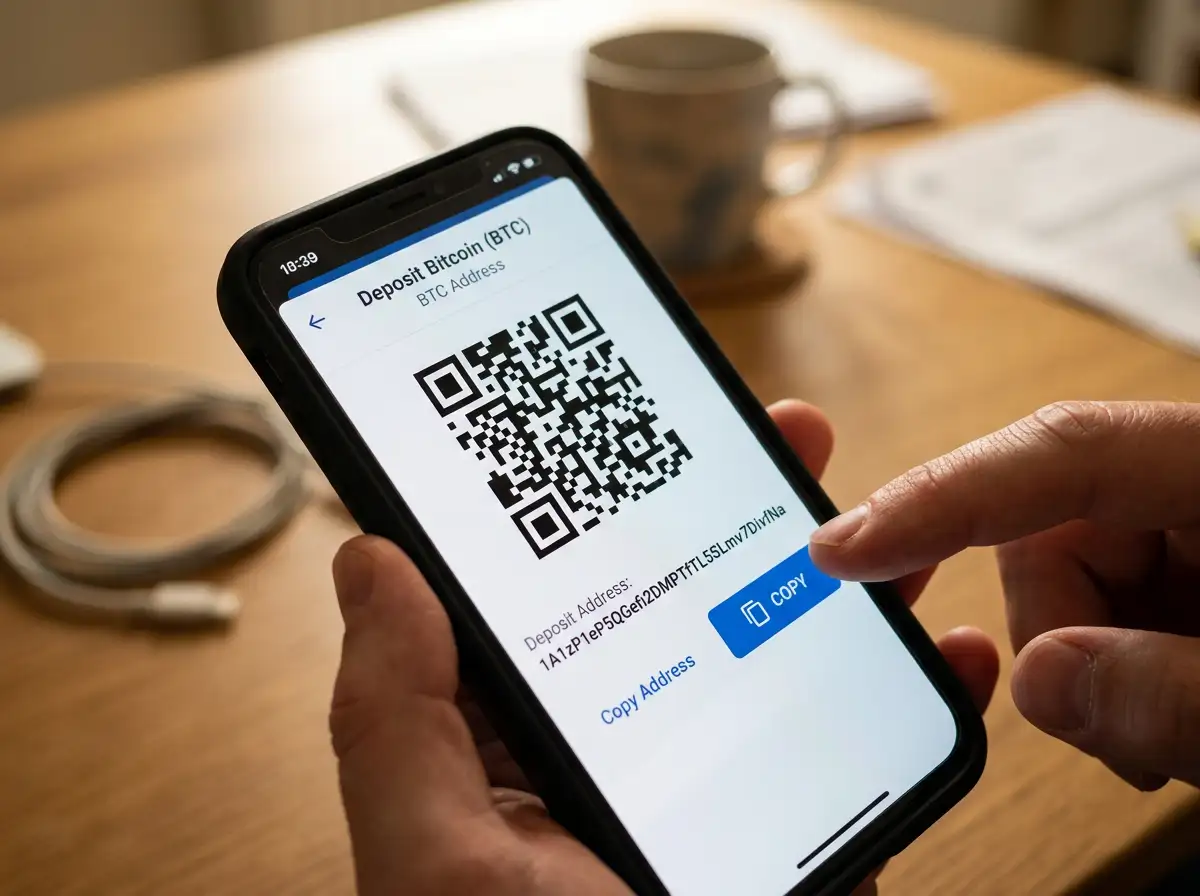
The wallet address generated for your deposit is unique to your account and typically changes with each transaction for privacy reasons. If you send funds to an expired or incorrect address, the recovery process is complicated and not guaranteed. I have tracked cases across Dama N.V. platforms where players sent deposits to previously used addresses that had been rotated out of the system, resulting in delays of days or weeks while support investigated. The practical advice: always copy the deposit address fresh from the cashier page for each transaction. Do not reuse addresses from previous deposits, and double-check the network — sending ERC-20 USDT to a TRC-20 address, for example, results in lost funds with no recourse.
Crypto Deposit and Withdrawal Flow at Loki Casino
The deposit flow at Loki Casino follows a sequence that will be familiar to anyone who has used cryptocurrency for online purchases, but there are platform-specific steps worth understanding. You select the cryptocurrency from the cashier menu, enter the deposit amount (usually in euros or your account currency, with the system calculating the crypto equivalent at current rates), and receive a wallet address plus a QR code. You then send the specified amount from your personal wallet to that address. Once the required network confirmations are received, the funds appear in your casino balance, converted to your account currency at the exchange rate applied at the moment of crediting.
That last detail — the exchange rate and the moment it is applied — is where the friction lives. Crypto accounts for approximately 15% of all iGaming payments globally, and one of the persistent complaints across crypto-accepting casinos is exchange rate timing. If you send Bitcoin when it is trading at 65,000 dollars and the confirmations take 30 minutes, the rate may have moved by the time the deposit is credited. On a 500-euro deposit, even a 1% rate shift means a 5-euro discrepancy. Most players will not notice on small deposits, but on larger amounts the timing gap becomes meaningful. Loki Casino uses the SoftSwiss conversion engine, which locks the rate at the point of crediting, not at the point of sending.
Withdrawals follow the reverse path. You enter the amount to withdraw in your account currency, provide your wallet address, and the system calculates the crypto equivalent. The operator’s internal approval process runs first — the same pipeline that applies to all withdrawal methods — and once approved, the transaction is broadcast to the blockchain. From the operator’s side, crypto withdrawals are simpler than fiat because there is no intermediary bank or card issuer to reject or delay the transfer. Once the transaction is on the blockchain, it is irreversible and settles according to network speed.
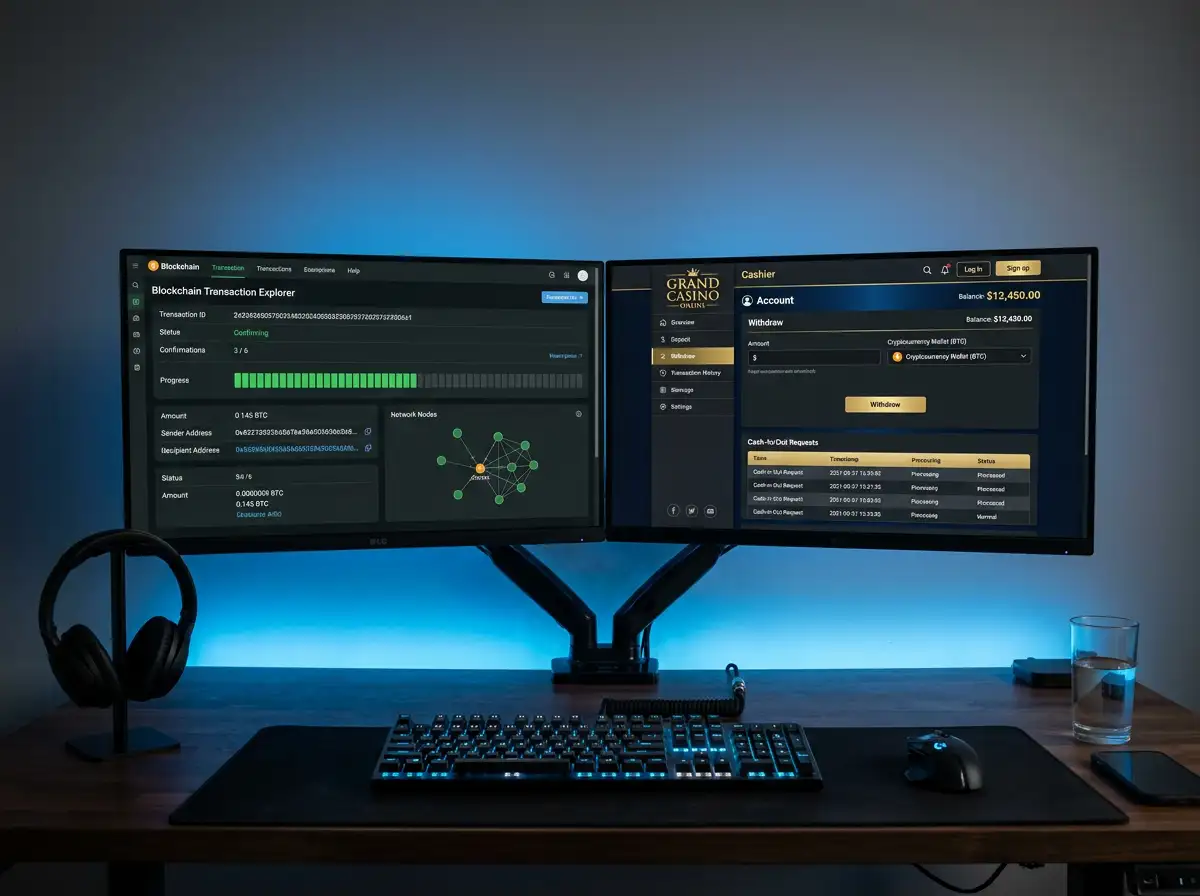
One advantage of the crypto withdrawal path that gets overlooked: there is no payment method matching requirement. With fiat methods, operators typically require you to withdraw to the same card or account used for deposits. With crypto, you can withdraw to any wallet address you own, regardless of which address you deposited from. This flexibility is useful if you rotate wallets for privacy, use a hardware wallet for long-term storage, or simply prefer to receive funds at a different address than you send from.
There is a practical consideration around minimum withdrawal amounts for crypto. While the casino sets a baseline minimum in euros, the actual minimum for crypto withdrawals can be effectively higher because extremely small transfers may be uneconomical given network fees. Withdrawing 10 euros’ worth of Bitcoin when the network fee is 5 dollars means losing a substantial percentage of the withdrawal to fees. The platform does not prevent you from making such a withdrawal, but the economics argue against it. Accumulating a larger balance before withdrawing in crypto is generally more efficient, especially on the Bitcoin and Ethereum networks where per-transaction costs are highest. Stablecoins on TRC-20 sidestep this issue due to their negligible per-transaction costs, which is yet another reason their adoption is accelerating among regular players.
Stablecoin Adoption in iGaming: Context for Loki’s Options
Two years ago, if you had told me that stablecoins would become the dominant crypto denomination in licensed iGaming, I would have been sceptical. The whole appeal of crypto gambling was supposed to be the thrill of volatile assets combining with volatile games. But the data tells a different story. Stablecoins — USDT and USDC primarily — crossed 50% of all crypto-denominated wagers on licensed platforms as of April 2026. The shift is not about excitement; it is about practicality.
EU-licensed crypto casinos processed approximately 8.7 billion euros in stablecoin deposits in 2025, representing 14% of the European online gambling market. That figure includes both MGA-licensed and Curaçao-licensed operators serving European players. The appeal for players is straightforward: stablecoins eliminate the exchange rate risk that plagues Bitcoin and Ethereum deposits. You deposit 500 USDT, and your balance reflects 500 dollars’ worth of value. You withdraw 300 USDT, and you receive 300 dollars’ worth of value. The volatility of the underlying asset does not eat into your gambling bankroll or inflate your withdrawal.

At Loki Casino, Tether (USDT) is the primary stablecoin option, available on both the ERC-20 and TRC-20 networks. The TRC-20 option is significantly cheaper in terms of network fees and faster in confirmation time, making it the practical choice for most transactions. The platform converts stablecoin deposits into your account currency at approximately 1:1 with the dollar (minus any spread applied by the conversion engine), which makes the arithmetic far simpler than Bitcoin deposits where the rate fluctuates by the minute.
An industry analyst named Zammit observed that heading into 2026, stablecoins are likely to be normalised within regulated iGaming operations rather than viewed as a novelty, with deeper integration of stablecoin infrastructure into operator payment stacks. That normalisation is already visible at Loki Casino: stablecoins are not presented as an alternative or experimental option — they sit alongside Bitcoin and Ethereum as a standard payment method. For UK players in particular, stablecoins offer a way to bypass the card-blocking issues that some UK banks apply to offshore gambling deposits. You purchase USDT through a crypto exchange, transfer it to Loki Casino, and the bank never sees a gambling transaction on your statement. Whether that is a feature or a concern depends on your perspective and your relationship with your own gambling behaviour.
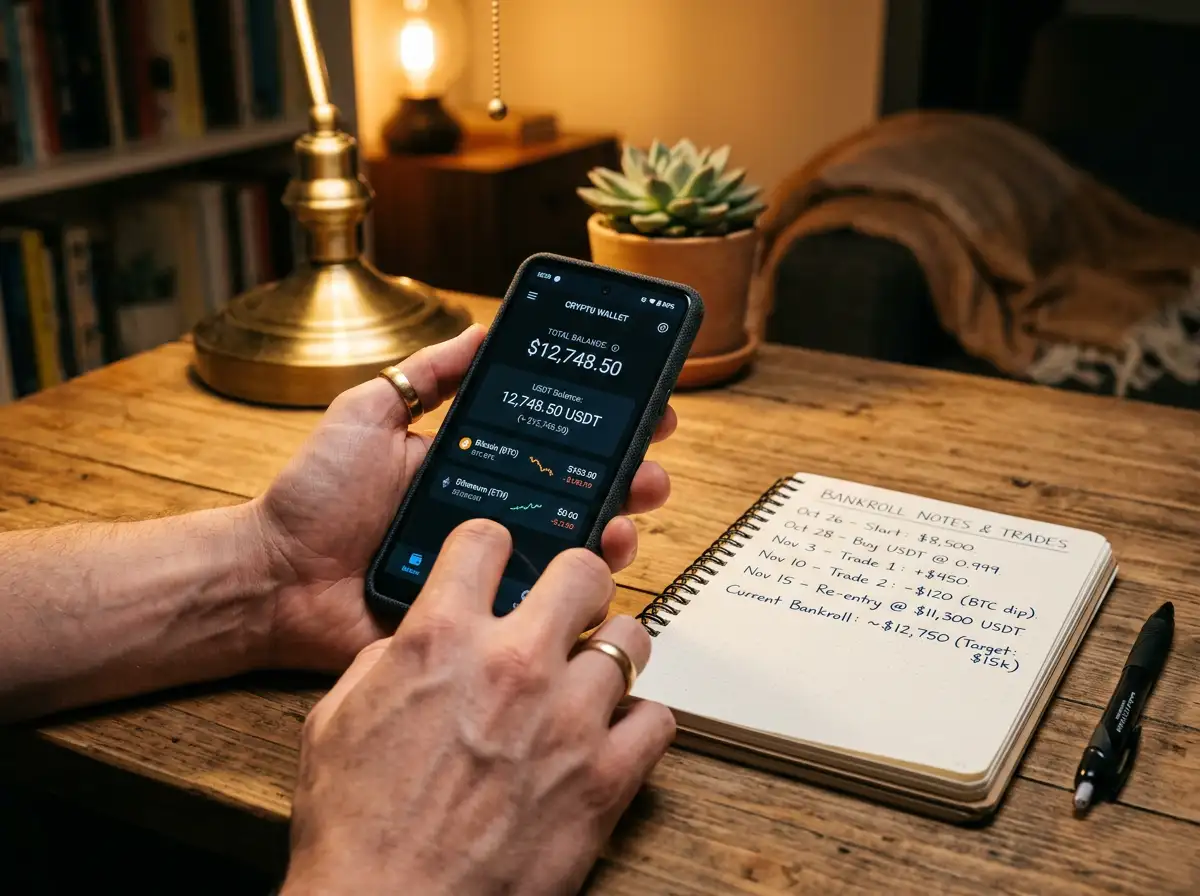
It is worth noting that the stablecoin advantage is not purely about convenience. For players who manage a dedicated gambling bankroll, stablecoins function as a holding currency between sessions. Rather than converting back to pounds and then reconverting for your next deposit — incurring two sets of conversion fees — you can hold USDT in your wallet and transfer it directly when you want to play. The round-trip cost savings are modest on individual transactions but compound over months of regular play. I have spoken with players who estimate they save 3-5% annually on conversion costs by holding their gambling float in stablecoins rather than cycling through fiat conversions.
Transaction Fees and Speed: Crypto vs Fiat at Loki Casino
For the full time-to-cash breakdown (KYC review, operator approval, network settlement) and a withdrawal-speed comparison across UK-facing offshore casinos, see Instant Withdrawal Casinos — Loki Casino Payout Speed Review.
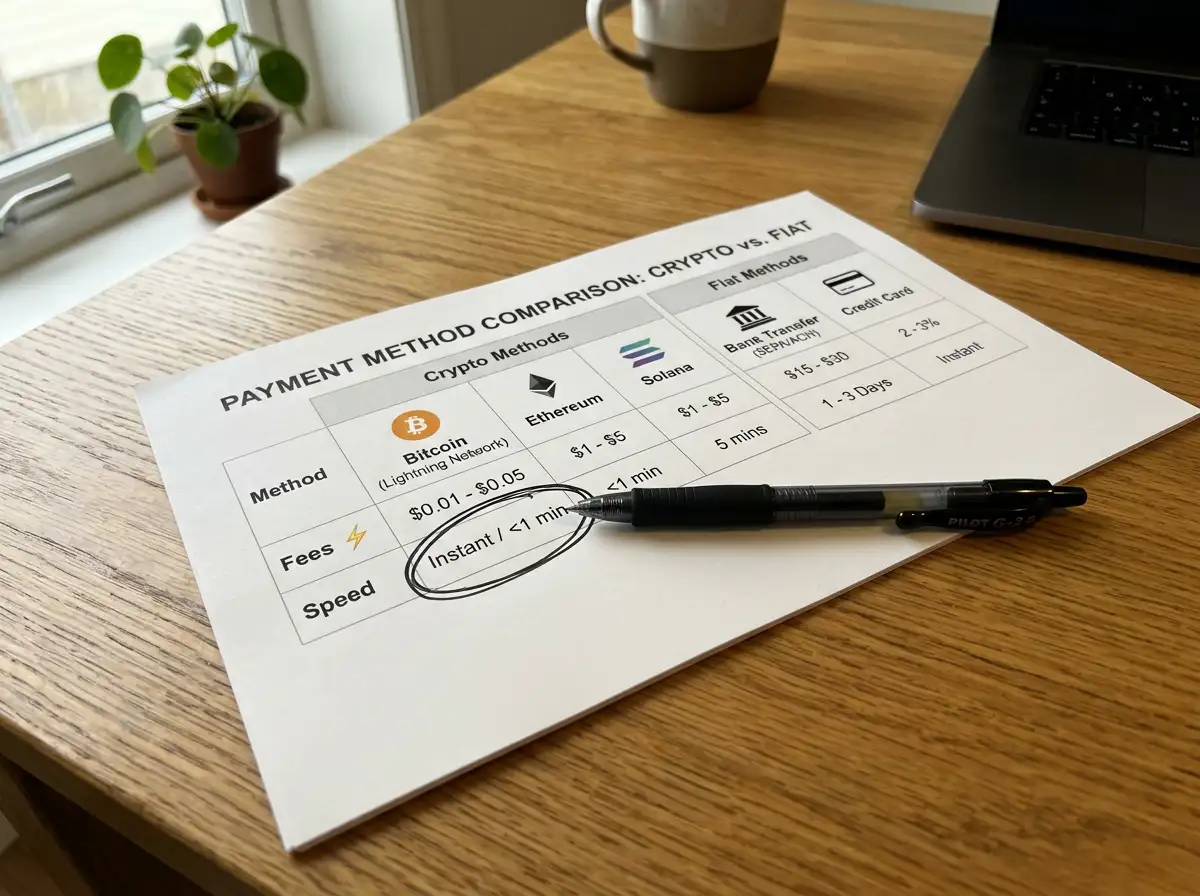
The fee comparison between crypto and fiat at Loki Casino is not as clean as the marketing implies. Yes, the casino itself does not charge deposit or withdrawal fees for cryptocurrency transactions. But the network fees are real, unavoidable, and variable. Crypto bets reached 26 billion dollars in Q1 2025, nearly doubling year-on-year, and part of that growth reflects falling network fees on certain chains — but Bitcoin transaction fees can still spike during periods of high network activity.
A Bitcoin transaction fee at the time of writing ranges from 2 to 15 dollars depending on the priority level you select in your wallet. Ethereum gas fees fluctuate more dramatically, from under a dollar during quiet periods to over 20 dollars during congestion. Litecoin fees are consistently low — typically under a dollar. USDT on the TRC-20 network costs approximately 1 to 2 dollars per transaction. Compare these to fiat methods: Visa and Mastercard deposits carry no visible fee at the casino level, but your card issuer may classify the transaction as a cash advance, triggering immediate interest charges and a 2-3% cash advance fee. E-wallet deposits through services like MiFinity or ecoPayz may include conversion charges if your source currency differs from your account currency.
Speed is where crypto wins unambiguously. A Tether TRC-20 deposit arrives in your casino balance within a minute or two. A Bitcoin deposit takes 10 to 30 minutes. A card deposit is instant from the player’s perspective but can take one to three business days to clear on the issuer’s side, which occasionally causes problems if you request a withdrawal before the deposit has fully settled. Fiat withdrawals take one to seven business days depending on the method; crypto withdrawals clear within minutes to hours once the operator’s internal approval is complete.
The net cost calculation depends on your deposit size and frequency. For a single large deposit, the Bitcoin network fee is a trivial percentage of the total. For frequent small deposits, the fixed network fee per transaction adds up. A player making ten deposits of 50 euros each via Bitcoin pays 10 times the network fee; the same player making a single 500-euro deposit pays it once. Stablecoins on the TRC-20 network minimise this issue because the per-transaction cost is so low that even frequent deposits remain economical. The bottom line for crypto users at Loki Casino: consolidate your deposits into fewer, larger transactions, and prefer TRC-20 stablecoins if exchange rate risk matters to you.
While blockchain transactions are generally faster, it is crucial to review the Loki Casino withdrawal limits and processing speeds to avoid unexpected delays.
Crypto Bonuses: Key Differences
For Loki Casino-specific crypto bonus terms (wagering, caps, promo-code triggers) and a comparison against crypto-first operators like BC.Game and Stake, see Crypto Casino Bonuses — Loki vs Market Comparison.
Crypto deposits at Loki Casino are eligible for the same welcome package and reload bonuses available to fiat depositors. There is no separate crypto-specific bonus tier in the standard offering, which means the match percentages, wagering requirements, and terms are identical regardless of payment method. The bonus is calculated on the euro-equivalent value of your crypto deposit at the point of crediting, using the same conversion engine that handles the deposit itself.
Where crypto bonuses differ in practice, rather than in published terms, is in the interaction between exchange rate fluctuations and bonus value. If Bitcoin drops 5% between the time you send your deposit and the time it is credited, the euro-equivalent is lower, and the bonus match applies to the reduced amount. This risk does not exist with stablecoin deposits, which is another reason stablecoins are the practical choice for players who want predictable bonus values. For a detailed look at how crypto-specific bonuses compare across the market, I cover that topic separately.
Regulatory Risks: MiCA, CGA and the Future of Crypto Casinos
This is the section most crypto casino guides skip, and it is the one that matters most for anyone thinking beyond next week’s deposit. The regulatory landscape for crypto gambling is shifting faster than most players realise, and the changes are not theoretical — they have specific deadlines and enforcement mechanisms.
MiCA — the Markets in Crypto-Assets Regulation — is the European Union’s comprehensive framework for crypto asset regulation. While the UK is not an EU member state and MiCA does not apply directly to UK players, it affects Curaçao-licensed operators serving European markets because payment processors and stablecoin issuers operating within the EU must comply. If a stablecoin issuer loses its MiCA authorisation or restricts access for non-compliant platforms, the ripple effect reaches every casino that accepts that stablecoin — including Loki Casino. EU-licensed crypto casinos processed 8.7 billion euros in stablecoin deposits in 2025, and the compliance infrastructure supporting that volume is now subject to MiCA oversight.
The Curaçao Gaming Authority itself is tightening its framework. The CGA processed approximately 140 direct licence applications by April 2026, with 87 approved and a rejection rate of around 38%. That rejection rate signals a regulator that is actively filtering applicants, not rubber-stamping them. For existing operators like Dama N.V., the transition from the old sub-licence system to direct CGA licensing imposes new compliance obligations, including enhanced AML (anti-money laundering) requirements that directly affect crypto payment processing. Operators must demonstrate that their crypto payment channels include adequate KYC and transaction monitoring, which adds friction but also adds a layer of legitimacy that was absent under the old framework.
Andrew Rhodes, CEO of the UK Gambling Commission, has been forthright about the challenge crypto poses for UK gambling regulation. He described what was previously considered a five-year-away problem as now being an 18-months-to-two-years challenge. The practical implication for UK players using crypto at offshore casinos is that the current environment — where crypto deposits and withdrawals flow relatively freely between personal wallets and Curaçao-licensed platforms — may not persist indefinitely. Increased UK enforcement against offshore operators, combined with stricter EU rules on stablecoin issuers and crypto payment processors, could constrict the payment channels that make crypto gambling convenient.
None of this means crypto gambling at Loki Casino is about to disappear overnight. But it does mean that the players who treat their crypto deposit method as permanently reliable are ignoring a regulatory trajectory that points toward more restrictions, not fewer. Diversifying your payment methods — maintaining at least one fiat withdrawal option alongside crypto — is a hedge against regulatory disruption that costs nothing to implement and could save considerable frustration if a specific crypto channel is interrupted. The operators who survive the next regulatory cycle will be the ones who build compliance into their crypto infrastructure now, rather than retrofitting it under pressure later. Whether Dama N.V. and its SoftSwiss platform are ahead of or behind that curve remains to be seen, but the direction of travel is clear.

What cryptocurrencies does Loki Casino accept?
Loki Casino supports Bitcoin, Ethereum, Litecoin, Bitcoin Cash, Dogecoin, and Tether (USDT) on both ERC-20 and TRC-20 networks. The specific list may be updated as the platform adds or removes supported coins. Bitcoin and Ethereum are the primary options by volume, while USDT on TRC-20 offers the fastest confirmation times and lowest network fees.
Are crypto withdrawals faster than card withdrawals at Loki Casino?
Yes, significantly. Once the operator’s internal approval is complete, crypto withdrawals settle on the blockchain within minutes to a few hours depending on the network. Card withdrawals take three to seven business days after approval, and may be rejected by the card issuer, adding further delays. The speed advantage is most pronounced with Tether on TRC-20 and Litecoin, which typically confirm in under five minutes.
Do stablecoins protect against volatility when gambling at Loki Casino?
Stablecoins like USDT are pegged to the US dollar, which means their value does not fluctuate the way Bitcoin or Ethereum does. Depositing and withdrawing in USDT eliminates the risk of exchange rate movements affecting your balance between transactions. However, stablecoin stability depends on the issuer maintaining the peg, and regulatory developments under MiCA could affect stablecoin availability on certain platforms.
How does MiCA regulation affect crypto casino deposits?
MiCA is the EU’s crypto-asset regulation framework. While it does not apply directly to UK players, it affects stablecoin issuers and payment processors operating within the EU. If a stablecoin issuer or crypto payment processor serving Loki Casino’s payment infrastructure must comply with MiCA requirements, changes to their services could indirectly affect deposit and withdrawal options for all players, including those in the UK.
For a comprehensive overview of offshore gambling regulations, return to the LOKIZONE homepage.