
 Available in GB
Content
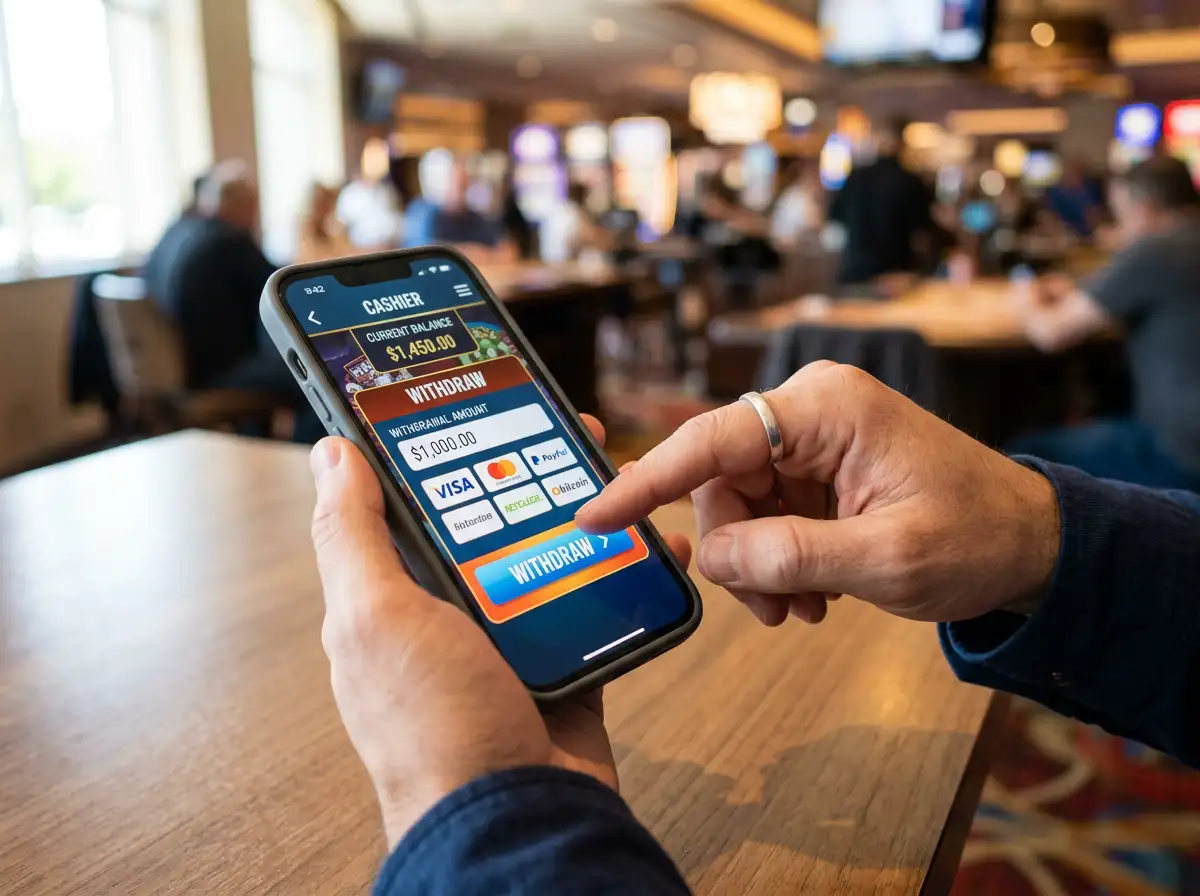
I learned more about an offshore casino’s true character from its withdrawal process than from anything on its homepage. The bonus page tells you what the operator wants you to see; the cashier page tells you what happens when you try to leave with your money. After years of evaluating Curaçao-licensed platforms, withdrawal mechanics have consistently been the single most reliable indicator of whether an operator is running a tight ship or cutting corners. Loki Casino — operated by Dama N.V. on the SoftSwiss platform — follows a structure that is common across its network, and that structure deserves scrutiny.
This guide covers the specifics: daily, weekly and monthly withdrawal caps; processing speed by each available payment method; the internal approval pipeline; the impact of KYC verification on timing; the complaint patterns that surface repeatedly in player forums; and the 60,000-euro monthly ceiling that affects anyone with a significant balance. If you need detail on document requirements for identity verification, I have covered that in the KYC verification guide. Here, the focus is on what happens once your documents are approved and you hit the withdrawal button.
Loki Casino UK Withdrawal Limits & Processing Speed
Three years ago I reviewed a Dama N.V. casino where a player had won 12,000 euros on a single slot session. Straightforward, you might think — request a withdrawal and wait. Except the daily cap was 5,000 euros, the weekly cap was 10,000 euros, and the monthly cap was 30,000 euros. That single win took multiple withdrawal requests spread across weeks. At Loki Casino the architecture is similar, though the specific numbers differ, and understanding these tiers before you deposit saves you from unpleasant surprises after a big win.
Loki Casino applies a layered cap system. The daily withdrawal limit sits at 5,000 euros or equivalent. The weekly limit is 10,000 euros. And the monthly ceiling — the figure that matters most for substantial wins — is 60,000 euros. These limits apply to the total value of all withdrawal requests combined, not per method. So if you request 3,000 euros via bank transfer and 2,500 euros via Bitcoin on the same day, you have consumed 5,500 euros of your daily allowance, exceeding the 5,000-euro cap. The second request would be held until the following day.
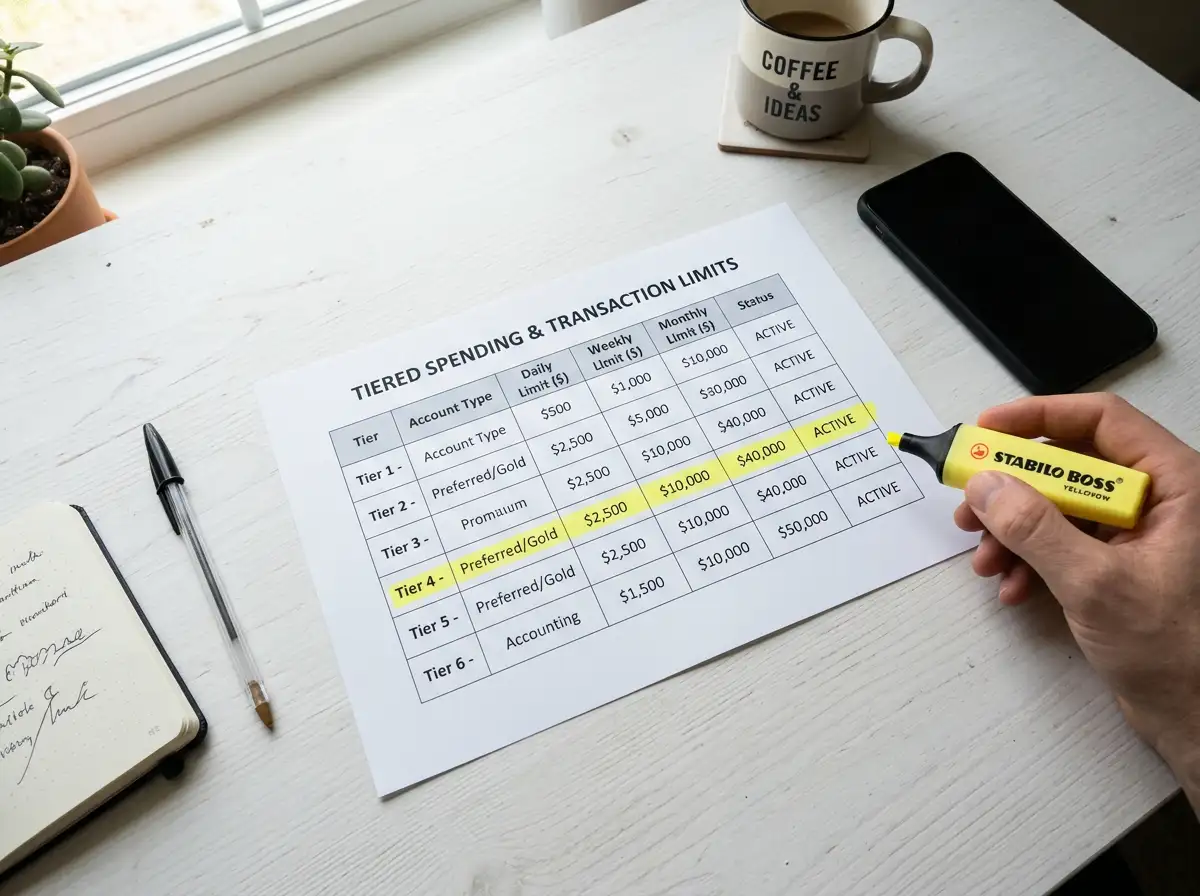
The minimum withdrawal amount is 25 euros or equivalent. This floor catches players who want to extract small winnings quickly — if your balance is below 25 euros, it stays in your account until you either accumulate more or lose it. For cryptocurrency withdrawals the minimum may differ slightly depending on the coin’s network fees, but the principle remains: micro-withdrawals are not supported.
VIP and high-roller accounts sometimes receive elevated limits, but these are negotiated privately and not published in the standard terms. If you are depositing at volumes that make the monthly cap a constraint, the advice is to contact support before depositing, not after winning. Getting a limit increase after a large win is possible but rarely quick or guaranteed. Operators are more receptive to discussions about limits when the money is flowing in, not when it is trying to flow out.
Withdrawal Speed by Payment Method
Not all withdrawal methods are equal, and at Loki Casino the gap between the fastest and slowest is wide enough to change how you plan your cashouts. I have tracked processing times across multiple Dama N.V. platforms, and the pattern is consistent: cryptocurrency leads, e-wallets follow, and bank-related methods trail behind. Crypto accounts for approximately 15% of all iGaming payments globally, and that share is growing precisely because of the speed advantage at the withdrawal end.
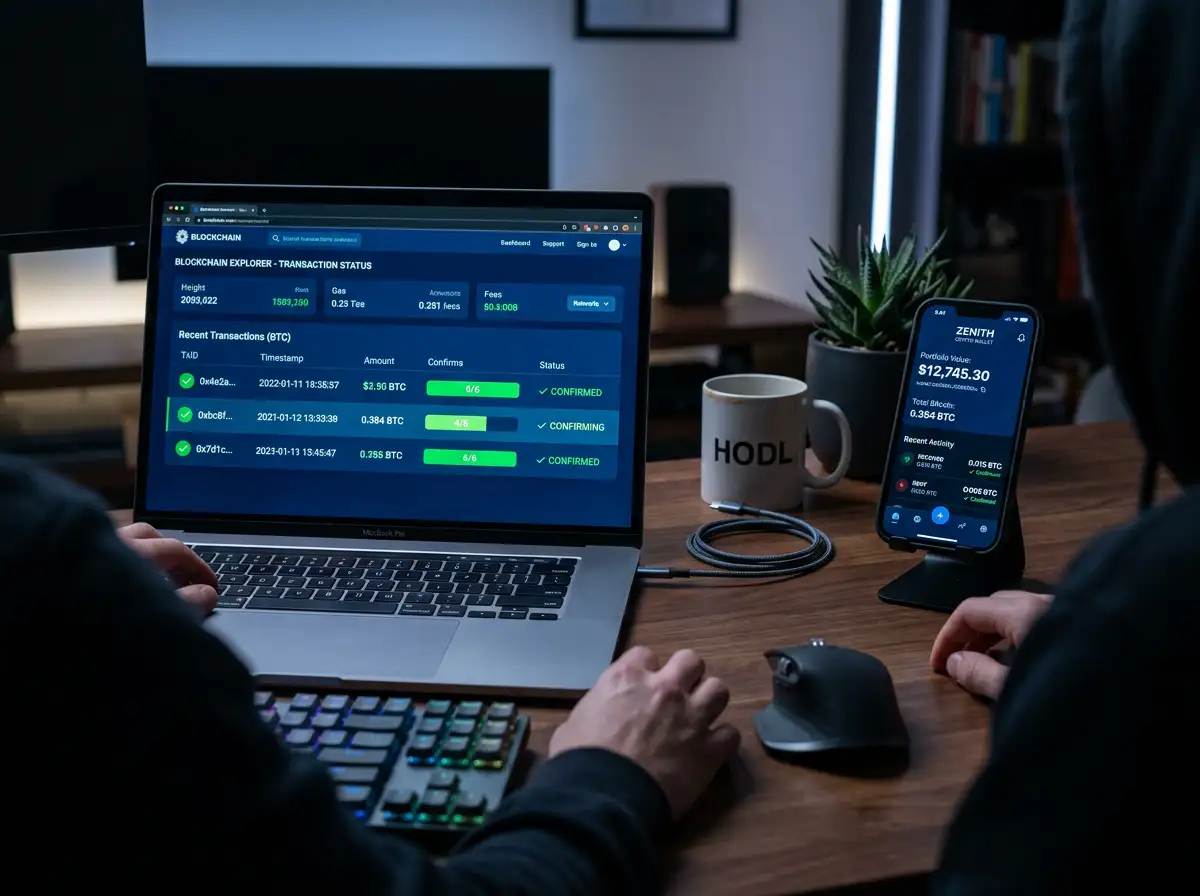
Cryptocurrency withdrawals — Bitcoin, Ethereum, Litecoin, Tether and others supported by the platform — typically clear within minutes to a few hours once the operator’s internal approval is complete. The blockchain confirmation time adds a variable layer: Bitcoin transactions may take 10 to 60 minutes for confirmation depending on network congestion, while Litecoin and stablecoin transfers on lighter networks can settle in under five minutes. The key point is that the crypto withdrawal speed is largely determined by network conditions, not by the operator. Once Loki Casino releases the funds to the blockchain, the rest is between you and the network.
E-wallet withdrawals — services like ecoPayz, MiFinity and similar platforms available to UK players using offshore casinos — generally process within 24 to 48 hours after internal approval. The e-wallet itself then holds the funds in your account for immediate use or onward transfer to a bank. This two-step process means that while the casino may report a 24-hour processing time, the total time from withdrawal request to money in your bank account can stretch to three or four business days.
Visa and Mastercard withdrawals are the slowest option, and they come with additional complications. Not all card issuers accept incoming transfers from offshore gambling operators, which means your withdrawal might be rejected at the card-issuer level even after Loki Casino has approved and sent it. Processing time for card withdrawals typically ranges from three to seven business days, and rejected transfers add further delays as the funds return to your casino balance for re-routing through an alternative method. I have seen cases where a player waited five days for a card withdrawal, received a rejection, and then had to start the process again via e-wallet — adding another week to the total timeline.
Bank wire transfers are available for larger amounts but carry the longest processing times: five to ten business days is standard, with some players reporting up to two weeks for international transfers. The advantage of bank wire is that it handles higher single-transaction amounts than cards or e-wallets, making it the default choice for withdrawals near the daily or weekly cap. The disadvantage is the waiting period and the potential for intermediary bank fees to reduce the final amount received. I reviewed one case where a player requesting a 4,500-euro bank wire received 4,380 euros after intermediary fees — a 2.7% haircut that was nowhere in the casino’s fee schedule because it was applied by the banking chain, not by the operator.

Ivan Montik, founder of SOFTSWISS, has framed the current phase of the sector in terms of maturity, where what matters is disciplined profitability, operational resilience and the ability to deliver durable player value (SOFTSWISS 2026 iGaming Trends Report, November 2025). That maturity has a payments-side corollary: card acquirers are tightening their policies on gambling transactions, and some UK banks actively block deposits to and withdrawals from offshore casino sites. If your preferred method fails, having a backup — ideally a crypto wallet or an e-wallet — is not optional; it is practical planning.
Internal Approval Process: The 1-Hour Claim Tested
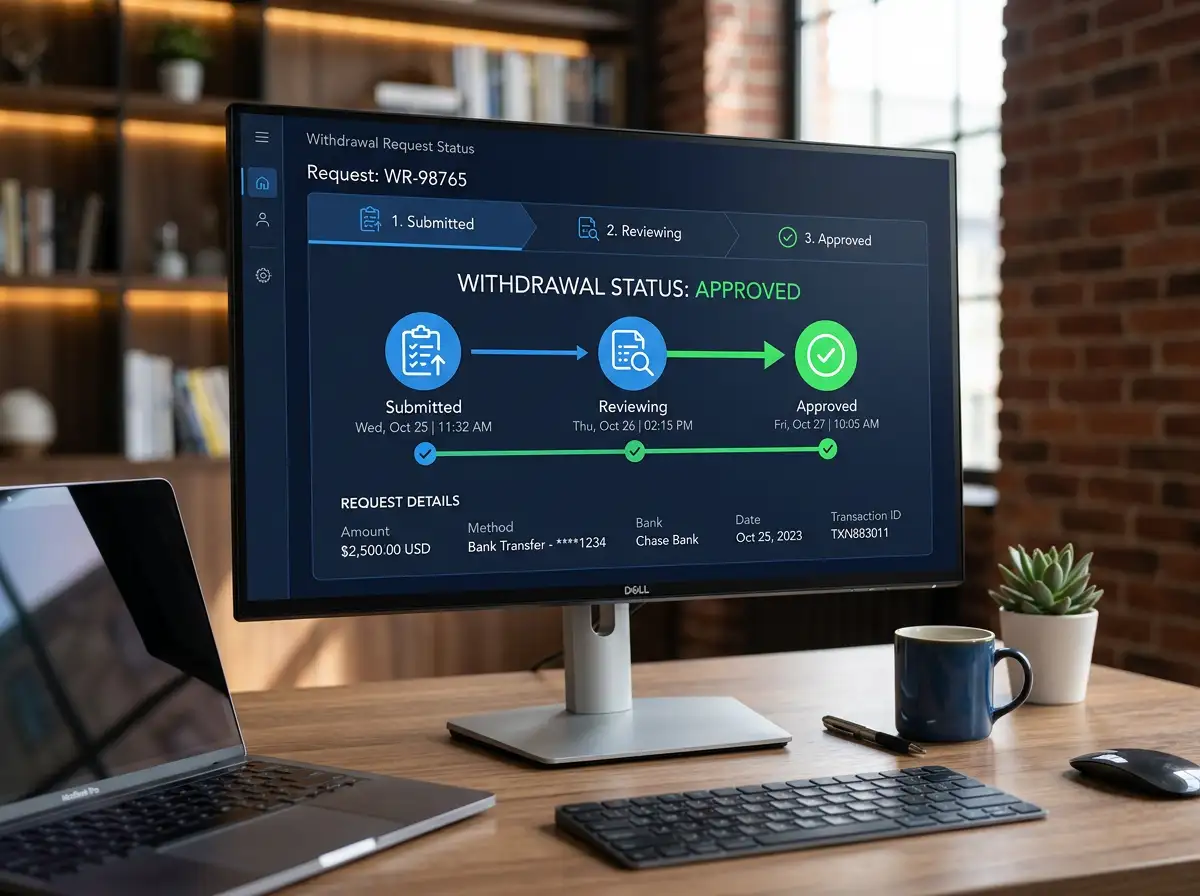
Every withdrawal at Loki Casino passes through an internal approval stage before the funds are released to the payment provider. The operator has claimed a one-hour processing target for this stage, and I wanted to see how that held up in practice. The results, based on tracking reports from multiple players across forum discussions in 2025 and 2026, are mixed.
For verified accounts withdrawing amounts below 1,000 euros, the one-hour target is met more often than not. Small, routine withdrawals from accounts with completed KYC tend to sail through the approval queue without delays. The system appears to have an automated layer that handles these straightforward cases, releasing funds to the payment provider without manual intervention.
Where the one-hour claim breaks down is on larger amounts, first-time withdrawals, and accounts flagged for additional review. A first withdrawal — even for a modest sum — almost always triggers a manual review because it coincides with the initial KYC verification. If your documents have not been pre-approved before the withdrawal request, the internal approval clock does not start until verification is complete. Players who register, deposit, play, and win in a single session sometimes expect to withdraw the same day, but the reality is that KYC must be completed first, and that process has its own timeline.
There is also a reversal window — a period after requesting a withdrawal during which the request can be cancelled, and the funds returned to your playable balance. This feature exists at most online casinos, and its purpose is transparent: the operator hopes you will cancel the withdrawal and keep playing. At Loki Casino, the reversal window has historically been shorter than at some competitors — typically a few hours rather than a full day — which, paradoxically, is a point in the operator’s favour. A shorter reversal window means your money is locked into the payout pipeline faster, reducing the temptation to cancel and wager it away. If you are the type of player who struggles with impulse control during withdrawal waiting periods, a short reversal window is genuinely helpful.
How KYC Verification Affects Payout Timing
I have never understood why players treat KYC verification as an optional afterthought. In nine years of reviewing offshore casinos, delayed KYC is the single most common reason for withdrawal delays that could have been entirely avoided. The UK Gambling Commission issued 868 cease-and-desist notices (516 to unlicensed operators and 352 to advertisers), disrupted 264 sites, and referred over 102,000 URLs to search engines in FY2024/25 — a level of enforcement pressure that makes offshore operators more cautious about identity verification, not less. KYC at Loki Casino is not a formality. It is a gate, and it does not open until the operator is satisfied.
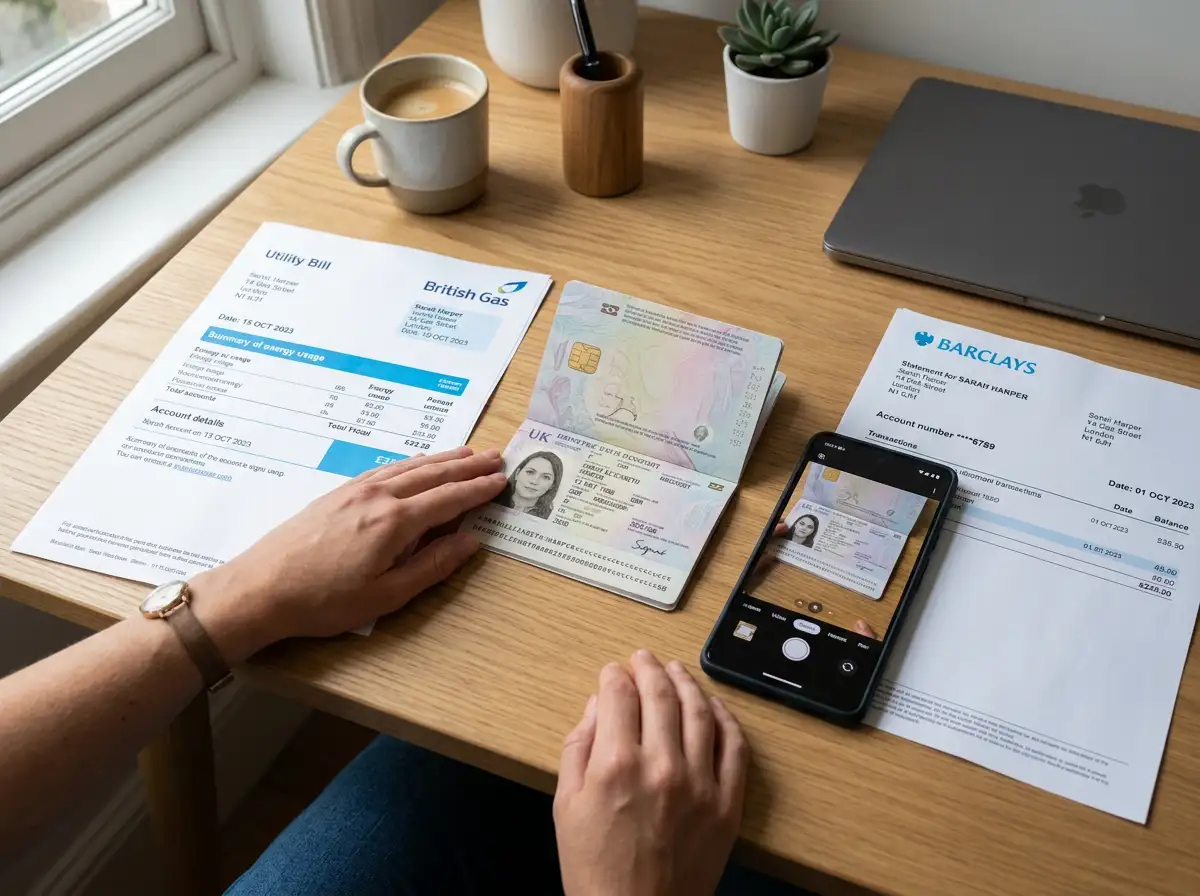
The standard verification requires proof of identity (passport or government-issued ID), proof of address (utility bill or bank statement dated within the last three months), and in some cases proof of payment method (a screenshot or photo of the card or wallet used for deposits). If you deposit via cryptocurrency, the payment method verification may involve confirming wallet ownership, though the specifics vary.
The timing matters more than the documents themselves. Submitting KYC documents at the point of withdrawal means your withdrawal request sits in a queue until verification is complete. Verification at Loki Casino typically takes 24 to 72 hours for straightforward submissions, but if documents are rejected — blurry photos, expired IDs, address documents older than three months — you are sent back to resubmit, and the clock resets. I have tracked cases where a withdrawal that should have taken one day stretched to ten because of avoidable document issues.
The practical advice is simple: complete KYC immediately after registration, before making your first deposit. Upload clear, current documents and wait for confirmation before putting any money into the account. This front-loads the verification process and means that when you eventually request a withdrawal, the only delay is the internal approval stage — which, for verified accounts with routine amounts, tends to hit that one-hour target. Treating KYC as a pre-deposit task rather than a post-win hurdle eliminates the most frustrating bottleneck in the entire withdrawal pipeline.
Delayed Withdrawal Complaints: Patterns and Causes
When you spend enough time reading player complaint threads — and I have spent far too many hours doing exactly that — patterns emerge. At Loki Casino and across the broader Dama N.V. network, withdrawal complaints cluster around a handful of recurring scenarios, and recognising them helps distinguish systemic issues from isolated cases.
The most frequent complaint category involves delayed withdrawals tied to bonus terms violations. A player requests a withdrawal, the operator reviews the account, discovers that a maximum bet rule was breached during an active bonus, and voids the winnings. The player claims they were unaware of the rule; the operator points to the terms and conditions. Both sides have a point, but the outcome is the same: no payout. 1.2% of adults worldwide have a gambling disorder, and problem gamblers are responsible for 60% of total gambling losses. Against that backdrop, the intersection of bonus complexity and withdrawal friction creates real harm for vulnerable players who may not fully understand the terms they agreed to.
The second pattern is KYC-related delays that extend beyond the stated processing window. Players submit documents, receive no response for days, follow up via live chat, get told to wait, follow up again, and eventually receive a request for additional documentation. The back-and-forth can stretch a simple withdrawal into a multi-week ordeal. The frustration is amplified because the player’s funds are locked — they cannot play with the balance during a pending withdrawal, and cancelling the withdrawal to play while waiting for KYC means re-entering the approval queue later.
A third pattern involves payment method mismatches. The operator’s terms often require withdrawals to be processed through the same method used for deposit. If you deposited via a Visa card and that card has since expired or been cancelled, the withdrawal cannot go to the original card. Redirecting to an alternative method requires additional verification and approval, adding days to the process. Crypto depositors generally avoid this issue because wallet addresses can change without invalidating the withdrawal path, but fiat depositors are more exposed to method-matching complications.
What is notably absent from the complaint record, at least in my review of publicly available cases from 2025 and 2026, is a pattern of outright non-payment — situations where the operator simply refuses to pay without any cited reason. The complaints are about delays, terms enforcement, and process friction, not about disappearing funds. That distinction matters when assessing the overall reliability of the withdrawal system, even if the experience of a delayed payout is deeply frustrating in the moment. The presence of complaints is not itself damning — every operator with meaningful volume generates complaints. What matters is whether the complaints reveal a pattern of bad faith or simply the inevitable friction of a complex system with strict terms.
The 60,000 Euro Monthly Cap: What High-Volume Players Need to Know
The 60,000-euro monthly withdrawal cap is the number that separates casual players from anyone with a serious bankroll or a significant win. Global gambling revenue surpassed 643 billion dollars in 2025, with projections above 655 billion for 2026 — numbers that underscore just how much money flows through the industry. Against that scale, a 60,000-euro monthly ceiling at a single operator might seem like a small constraint. For the individual player sitting on a 200,000-euro jackpot win, it means waiting more than three months to fully withdraw their own winnings.
The cap applies regardless of payment method. Whether you withdraw via Bitcoin, bank wire, e-wallet or card, the total value of all processed withdrawals in a calendar month cannot exceed 60,000 euros. Pending requests that would push you over the cap are held until the next month’s allowance resets. This queuing mechanism means that a large win does not just take time to withdraw — it takes predictable, calendar-bound time. You can calculate exactly how many months the full withdrawal will require, and plan accordingly.

For UK players, the cap is particularly worth noting because the conversion from euros to pounds means the effective GBP limit fluctuates with exchange rates. At current rates the 60,000-euro cap translates to roughly 51,000 to 53,000 pounds per month, but currency movements can shift that window by several thousand pounds in either direction. If you are withdrawing near the cap, timing your requests around favourable exchange rates can make a material difference to the total GBP received.
The broader point about withdrawal caps at offshore casinos is that they exist because the operator manages its own liquidity. Unlike UKGC-licensed operators, which are required to segregate player funds and demonstrate the ability to pay all outstanding balances at any time, Curaçao-licensed operators face no such ringfencing obligation. The withdrawal cap is, in part, a cash-flow management tool. It ensures the operator is never required to process more than a set amount in any given month, regardless of how much has been won. That is not inherently sinister — most businesses manage cash flow — but it is a structural reality that UK players accustomed to UKGC protections should understand before depositing amounts that could result in wins above the monthly ceiling.
What is the minimum withdrawal amount at Loki Casino?
The minimum withdrawal amount is 25 euros or equivalent in other currencies. For cryptocurrency withdrawals, the effective minimum may be slightly higher due to network transaction fees. Balances below the minimum threshold cannot be withdrawn and remain in your account.
Can I withdraw winnings before completing wagering requirements?
No. If you have an active bonus with outstanding wagering requirements, your bonus balance and any winnings derived from bonus funds are locked until the wagering target is met. You can withdraw your real-money balance separately in some cases, but cancelling the bonus to access those funds typically results in forfeiture of all bonus-related winnings.
How long does a first withdrawal take after KYC submission?
A first withdrawal requires completed KYC verification, which typically takes 24 to 72 hours for straightforward document submissions. Once KYC is approved, the internal approval process targets one hour for routine amounts. Total time from first withdrawal request to funds leaving the casino depends on the payment method: crypto can settle the same day after KYC approval, while cards and bank transfers may take an additional three to seven business days.
Does Loki Casino charge withdrawal fees?
Loki Casino does not charge withdrawal fees on standard transactions. However, third-party fees may apply depending on your payment method. Bank wire transfers can incur intermediary bank charges, cryptocurrency withdrawals carry network fees that vary with blockchain congestion, and some e-wallets apply their own receiving or transfer fees. These costs are outside the casino’s control and are deducted by the respective payment provider, not by Loki Casino itself.