
 Available in GB
Content
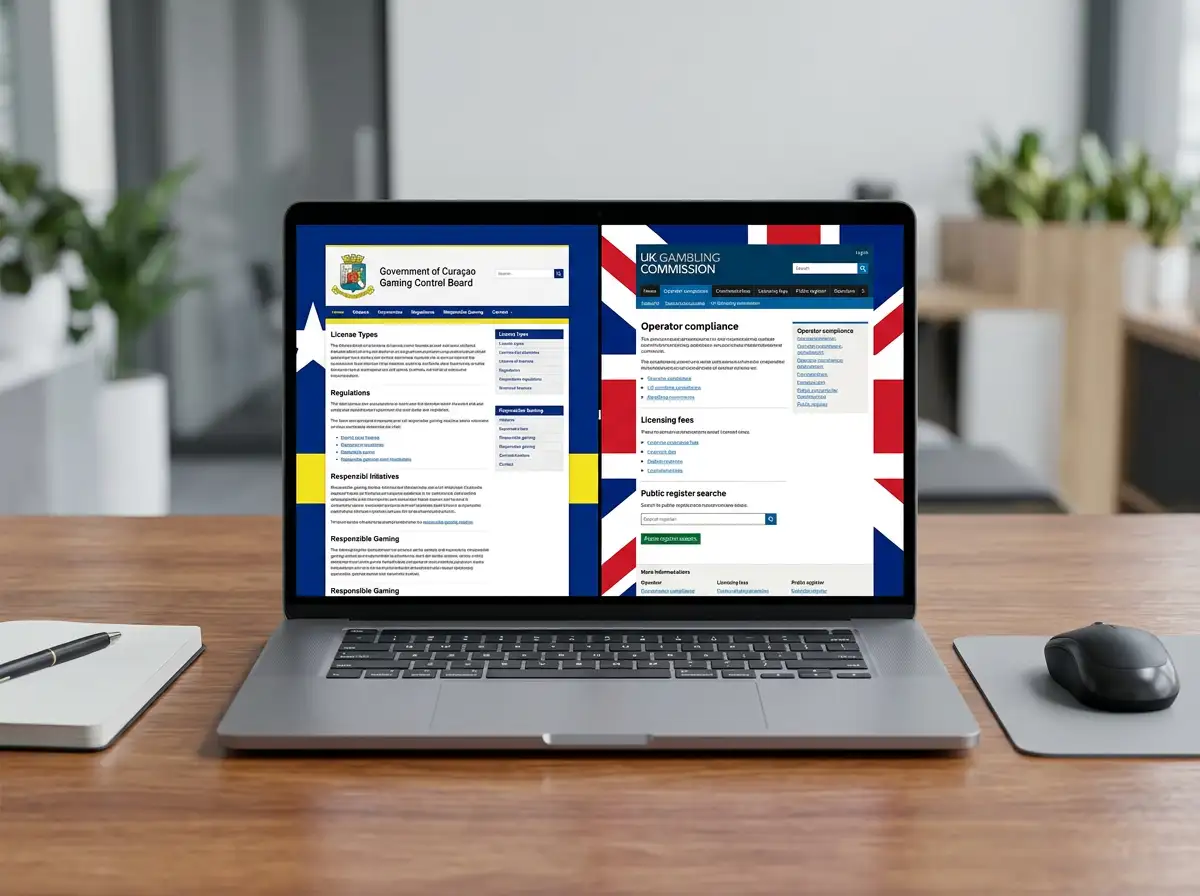
I have audited casinos under both licensing regimes for nearly a decade, and the differences are not a matter of degree — they are structural. A UKGC licence and a Curaçao CGA licence are fundamentally different instruments that impose different obligations, offer different player protections, and carry different enforcement consequences. Treating them as interchangeable, as many affiliate sites do, is a disservice to players trying to make informed decisions about where they play.
This comparison breaks down the three areas where the divergence matters most: licensing requirements, player protection mechanisms, and enforcement capability.
Loki Casino UK Regulatory Audits & Licence Comparison
The first time I compared the application processes side by side, the disparity was staggering. A UKGC licence application requires detailed background checks on every person with significant influence over the business, financial viability assessments, technical platform audits, responsible gambling policies, anti-money laundering procedures, and a demonstrated ability to protect player funds. The process takes months and costs substantially more than a Curaçao licence, even before annual fees and ongoing compliance costs are factored in.
The Curaçao Gaming Authority processed approximately 140 direct licence applications by April 2026, with an approval rate around 62% — meaning roughly 38% of applications were rejected. CGA annual licence fees under the new LOK framework sit at approximately 47,000 euros for B2C operators and 24,000 euros for B2B. These figures are a fraction of what UKGC licensees pay in annual fees and compliance overhead. UK regulated gambling industry GGY reached £16.8 billion in FY2024/25, and the UKGC’s higher licensing costs are partly justified by the infrastructure needed to regulate a market of that size.


The LOK reform has narrowed the gap somewhat. The old Curaçao sub-licence system — where a single master licence holder could issue sub-licences to dozens of operators with minimal oversight — has been replaced by direct CGA licensing with mandatory compliance requirements. This is a genuine improvement, but the scope and depth of UKGC oversight remain significantly greater. UKGC licensees undergo regular compliance assessments, submit to unannounced inspections, and face financial penalties for breaches. CGA oversight, while strengthening, does not yet match this intensity.
For UK players at non-GamStop casinos, understanding these differences is essential context for evaluating the level of regulatory protection available.
Player Protection Mechanisms: Complaints, Deposit Limits and Dispute Resolution
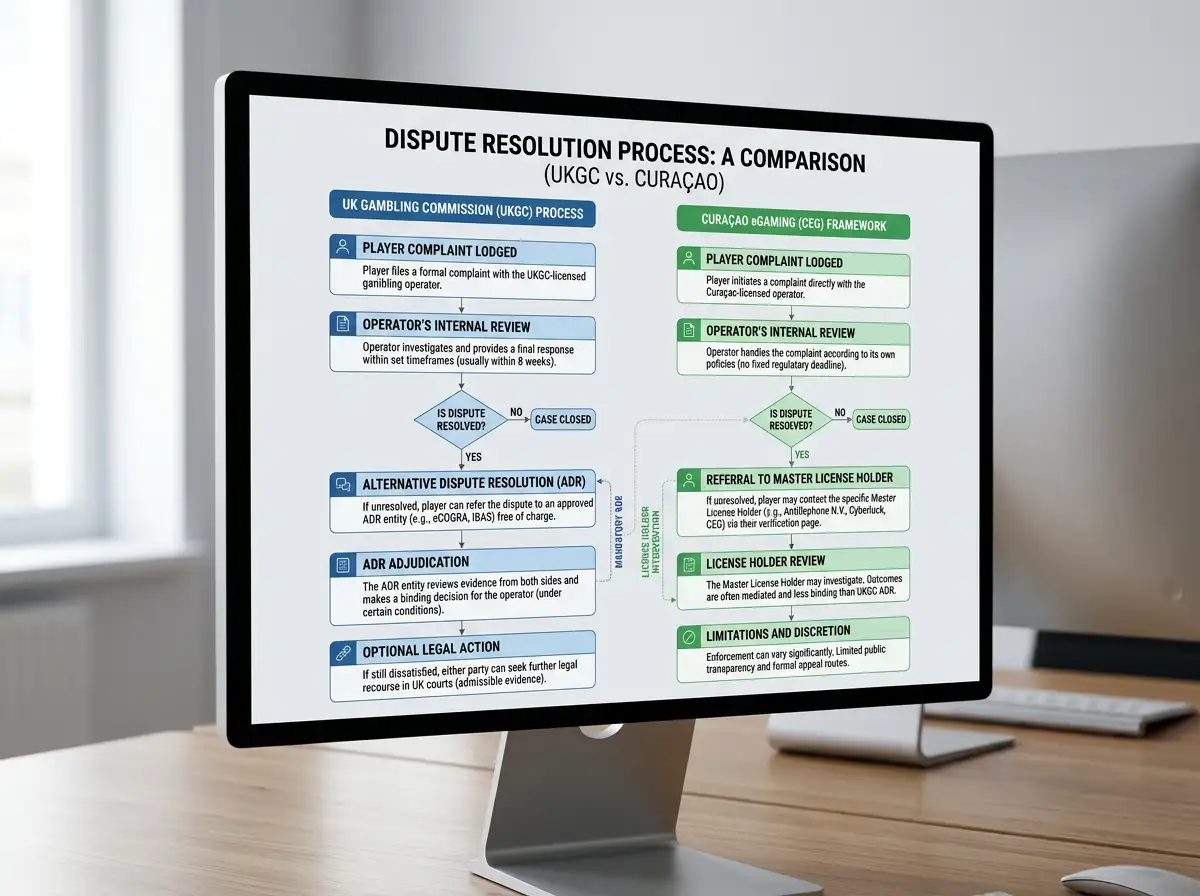
When a player has a legitimate dispute with a UKGC-licensed casino, the resolution path is clear and well-documented. The player first contacts the casino directly. If unsatisfied, they escalate to an approved Alternative Dispute Resolution provider. If the ADR finds in the player’s favour, the casino is required to comply. Failure to comply triggers UKGC enforcement action, which can include financial penalties and licence suspension.
At Curaçao-licensed casinos, the complaint mechanism is less structured. The CGA accepts complaints, but its mediation process is slower and its enforcement tools are less developed. UK Gambling Commission issued 868 cease-and-desist notices and disrupted 264 sites in FY2024/25 — that level of active enforcement has no equivalent in the Curaçao system, although the CGA has signalled intent to strengthen its compliance operations under the LOK framework.
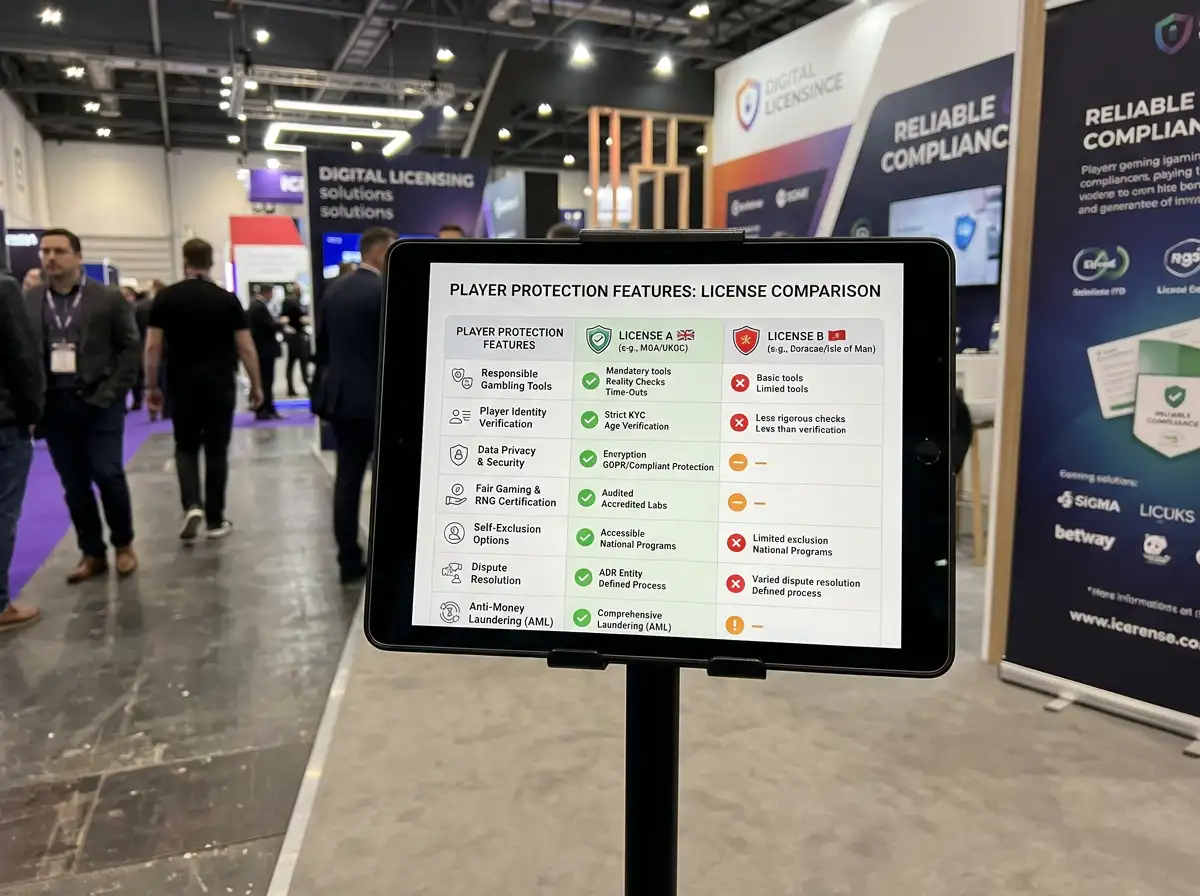
Deposit limits and responsible gambling tools are mandatory for UKGC licensees. The operator must offer deposit limits, session time limits, reality checks, and self-exclusion options. At Curaçao-licensed casinos, these tools exist at some operators — including Loki Casino via SoftSwiss — but they are not universally mandated by the licence terms. The quality and availability of responsible gambling features varies by operator and platform rather than being guaranteed by the licensing authority.
Player fund protection is another critical difference. UKGC licensees must segregate player funds from operational funds, ensuring that player balances are protected if the operator becomes insolvent. Curaçao licensing does not impose the same requirement, which means player funds at a CGA-licensed casino may be commingled with operating capital. In a worst-case scenario, player balances could be at risk in an insolvency event.
Enforcement Asymmetry: Why UKGC Has Teeth and CGA Is Catching Up
Andrew Rhodes, CEO of the UK Gambling Commission, described crypto gambling regulation as something he thought was a five-year-away problem that has become an 18-months-to-two-years challenge. That statement captures the UKGC’s proactive posture — the Commission does not wait for problems to become crises before acting.
UKGC enforcement includes financial penalties that run into millions of pounds, licence suspensions, personal management sanctions, and criminal prosecution in severe cases. The Commission publishes enforcement actions publicly, creating a deterrent effect across the industry. Gambling in Great Britain generated the highest GGY the Commission had ever recorded at the time of Rhodes’ January 2025 ICE Barcelona speech — £15.6 billion for FY2023/24 — and the UKGC’s November 2025 release has since lifted the figure to £16.8 billion for FY2024/25. Regulating a market of that scale requires enforcement with real consequences.
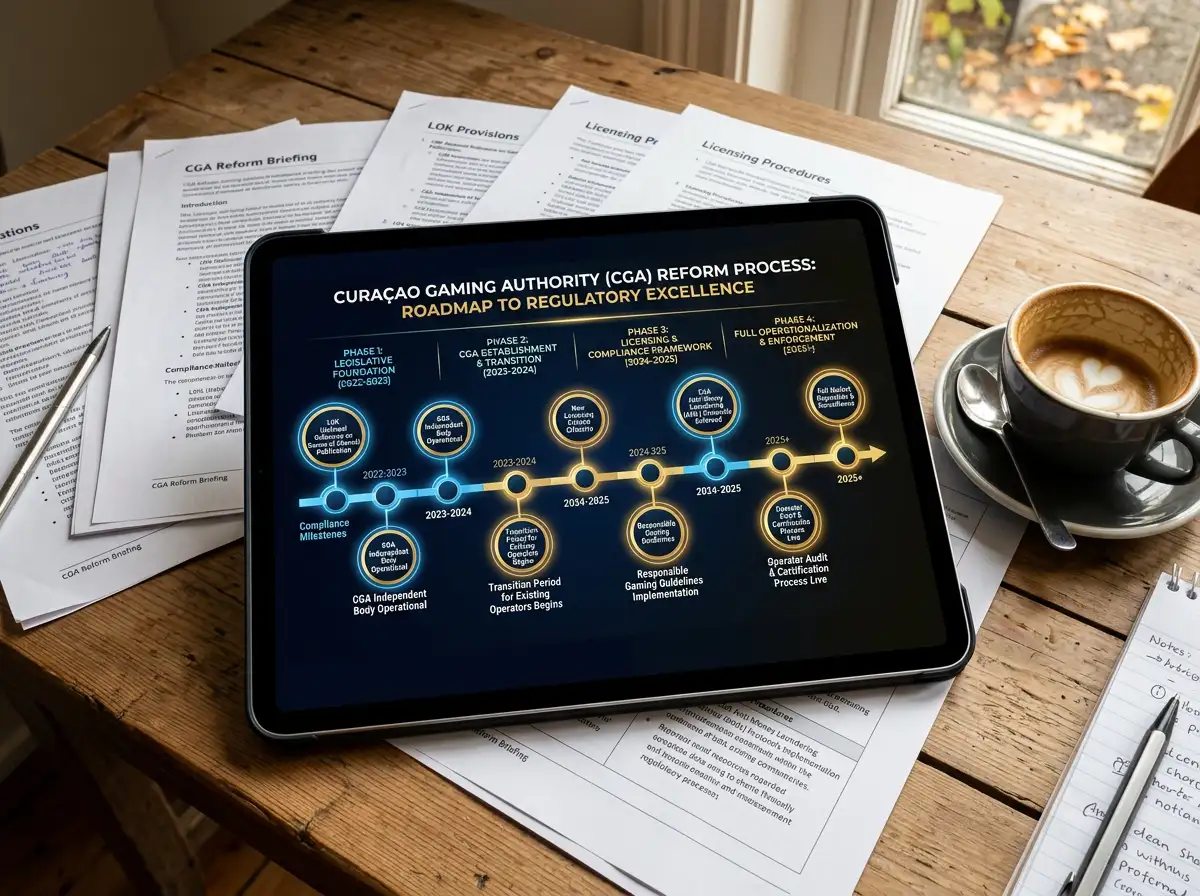

The CGA is catching up but operates from a different starting position. The transition from sub-licences to direct licensing under LOK was a structural reform that increased the authority’s control over licensees. The rejection rate of approximately 38% on licence applications demonstrates that the CGA is exercising selectivity. But enforcement actions — penalties, licence revocations, public sanctions — remain less frequent and less visible than UKGC actions.
For UK players, the practical implication is straightforward: if something goes wrong at a UKGC-licensed casino, you have a well-established system of recourse with enforcement backing. If something goes wrong at a Curaçao-licensed casino, you have recourse in principle but less certainty about enforcement in practice. The gap is narrowing, but it has not closed.
The direction of travel matters, though. The CGA’s LOK reform represents the most significant upgrade to Curaçao’s gambling oversight in decades, and the 38% application rejection rate shows the authority is not rubber-stamping licence requests. Whether enforcement capability catches up to the UKGC’s standard within the next few years depends on political will, staffing, and the CGA’s willingness to impose visible consequences on non-compliant operators. The industry is watching closely, and the outcome will reshape how players and analysts evaluate Curaçao-licensed casinos.
How does a Curaçao licence differ from a UKGC licence?
The UKGC licence imposes stricter requirements including detailed background checks, financial audits, mandatory responsible gambling tools, player fund segregation, and active enforcement with financial penalties. The Curaçao CGA licence under the LOK framework has improved from the old sub-licence system but operates with lower compliance overhead and less enforcement infrastructure.
Does a Curaçao licence mean a casino is unsafe?
Not necessarily. A Curaçao licence under the new LOK framework requires compliance with updated standards, and many CGA-licensed casinos operate responsibly. However, the player protections, dispute resolution mechanisms, and enforcement tools are less comprehensive than those available under a UKGC licence. The licence is legitimate but provides a different level of regulatory assurance.